



For decades, Australia has relied on data from US satellites, floats and monitoring programs. Planned deep cuts put Australian forecasting at risk.
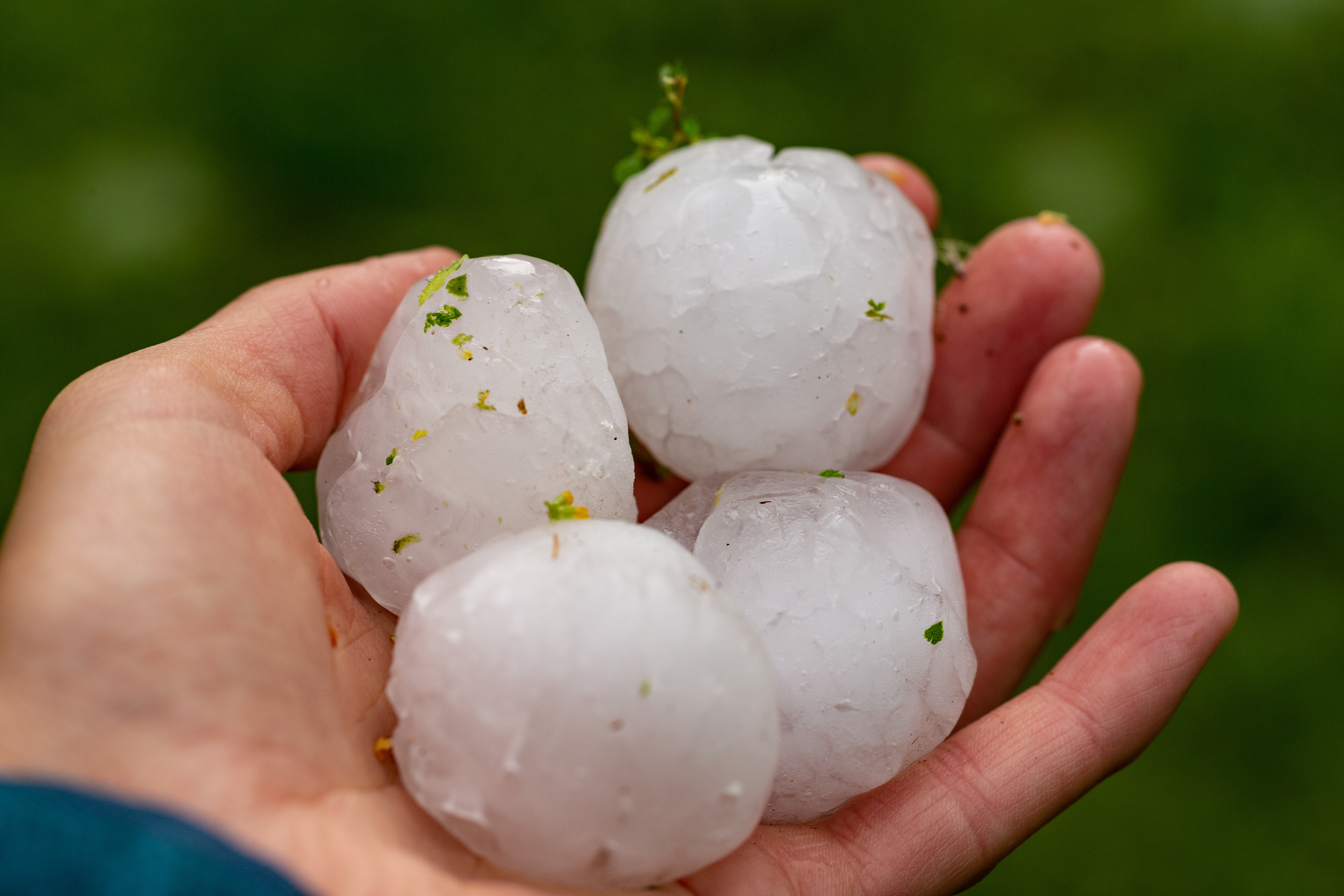
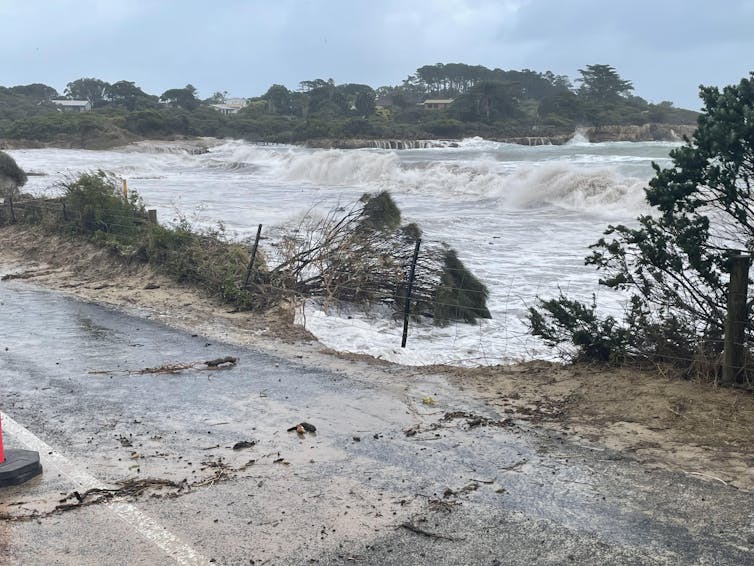
This year, Australia has experienced record-breaking floods, tropical cyclones, heatwaves on land and in the ocean, drought, coral bleaching, coastal erosion and devastating algal blooms. Over the past five years, insured losses from extreme events have risen to A$4.5 billion annually – more than double the 30-year average.
But even as damage from climate change intensifies, political change overseas is threatening Australia’s ability to track what’s happening now, and predict what will happen next.
The United States has historically been a world leader in earth observation systems and freely sharing the gathered data. Sharing of data, expertise and resources between scientists in the US and Australia makes possible the high-quality weather, climate and ocean monitoring and forecasting we rely on.
But this is no longer guaranteed. Under the Trump administration, key US scientific institutions and monitoring programs are facing deep cuts. These cuts aren’t just cosmetic – they will end essential data gathering. Australia has long relied on these data sources. When they dry up, it will make it much harder for scientists to look ahead.
Australian leaders should look for ways to boost local earth monitoring capabilities where possible and partner with other large scientific organisations outside the US.
What is at risk?
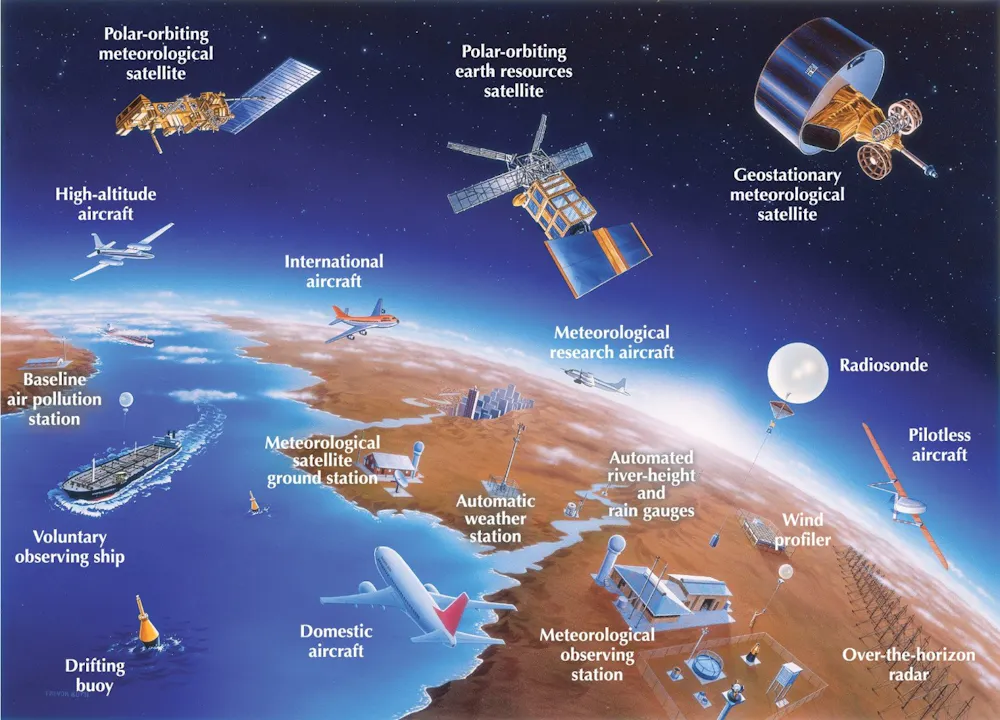
Forecasting weather and climate isn’t simple. To produce accurate forecasts, scientists rely on earth observation systems which monitor changes to Earth’s land, atmosphere, ocean and ice. Much of this vital data is gathered by satellites, augmented by ocean data from thousands of robotic ARGO floats which capture data on ocean temperatures and salinity. Using this data to model the complexity of the Earth system requires research expertise and supercomputers.
This year, the US government has announced sweeping cuts which could significantly degrade earth monitoring data gathering and availability.
In March 2025, the administration culled around 1,000 positions at the National Oceanic and Atmospheric Administration (NOAA).
Two months later, cuts were announced for NASA, including their Earth observation missions and to the National Science Foundation, with a proposed major reduction to Antarctic observations and research.
In June, still deeper cuts were proposed for NOAA. These would see the agency’s Ocean and Atmospheric Research section dismantled and parts moved to the National Weather Service and the National Oceans Service. If these cuts are approved, they would cut NOAA funding by about 25%.
The data and modelling capabilities at risk include:
Restricted use of data from US defence force weather satellites from July 31 onward. Australia uses this data to monitor weather, climate and oceans. The data has also been used for Australian forecast models.
Funding cut to the Cooperative Institute for Modeling the Earth System. This will affect the Global Fluid Dynamics Laboratory, which produces key components of weather and climate models used by Australia’s Bureau of Meteorology and CSIRO.
The Pacific Marine Environment Laboratory is scheduled to be closed. Australia has used this lab’s data to declare every El Niño and La Niña for the past 30 years.
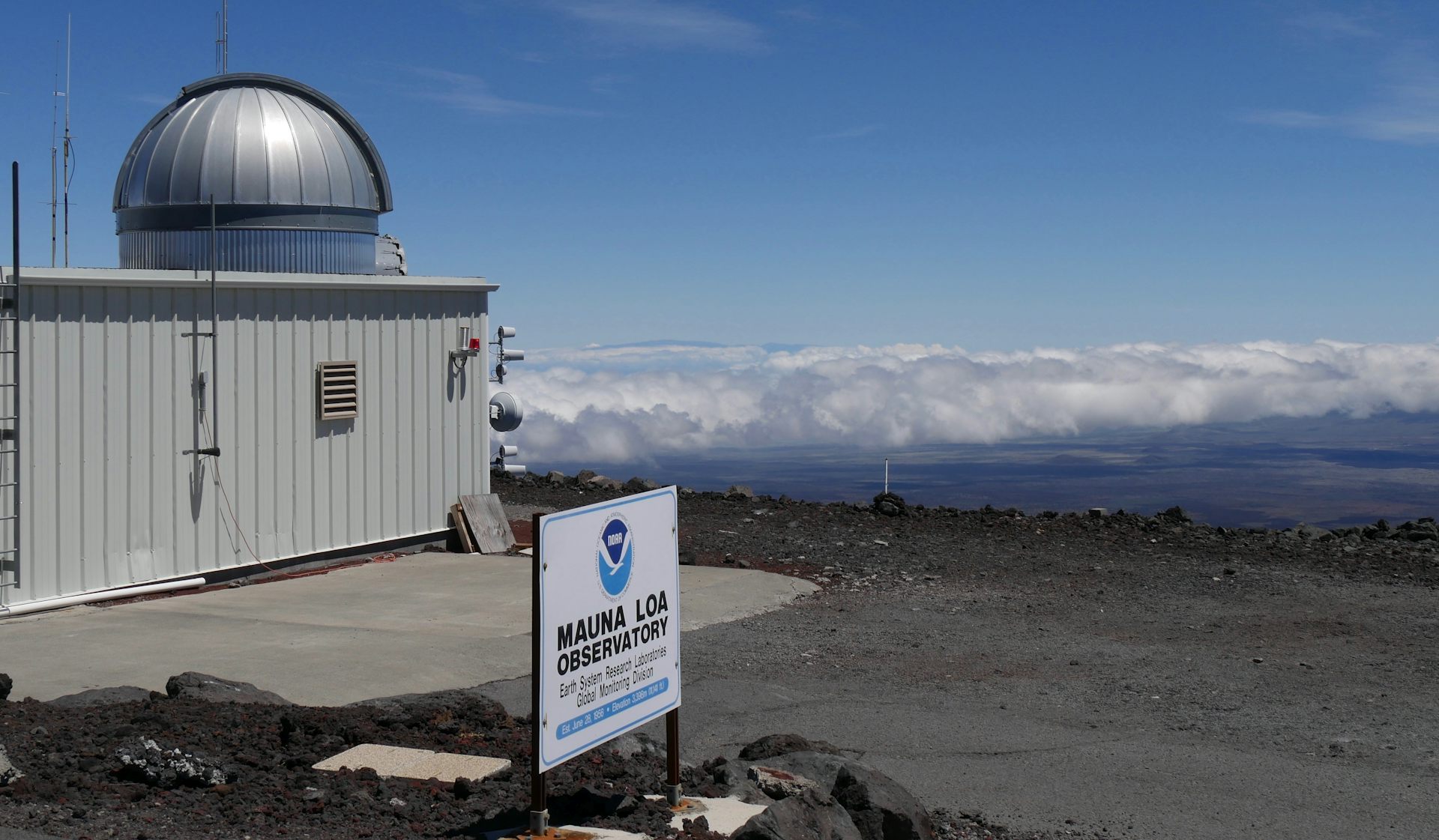
Planned shutdown of the Global Monitoring Laboratory, including the closure of Hawaii’s Mauna Loa Observatory and Antarctic air monitoring. This will increase Australia’s dependence on its own atmospheric monitoring site at Cape Grim in Tasmania.
Funding cuts for ARGO floats and ocean drifting buoys. Until now, the US has funded more than half of the ARGO robotic floats active in the oceans. These floats produce data crucial to Australia’s weather and seasonal forecasts.
Plans to end the NOAA Cooperative Institutes, which include collaborations with Australian researchers.. These cuts have not yet been confirmed. If approved, they will massively disrupt global advances in weather, climate and ocean knowledge.
Planned cuts to Antarctic ice and atmosphere monitoring, which would affect collaborative Antarctic research and operations.
US withdrawal from the Intergovernmental Panel for Climate Change and UNESCO (including the Intergovernmental Oceanographic Commission), and uncertainty around future support for the United Nations and its World Meteorological Organization (WMO). At present, the US is the WMO’s largest funder

Maintaining Australian capabilities is not a given
Making accurate forecasts requires high-quality global observations.
Forecasts will inevitably get worse if data sources are restricted or stopped. During extreme weather events, this will pose real risk to life.
The loss of experienced US staff could also lead to a stagnation in forecasting advances, especially on extreme weather. Many Australian scientists working on forecast improvements collaborate with US colleagues.
If some or all of these cuts take place, the flow-on effects for Australian meteorology and climate science will be substantial.
In response, Australian leaders should:
Assess the immediate risks to Australia’s weather, climate and ocean capabilities from these changes in the US.
Assess where Australia can best lift national capabilities in research, modelling and observations.
Expand data sharing and collaboration with China, Japan, South Korea, India and the European Union. Each of these has established satellite observing programs which cover Australia.
Strengthen investment and partnership in international programs such as as the WMO, the EU’s Copernicus Program, the World Climate Research Program and the EU Horizon program.
The future
America’s sweeping cuts to science will have large ripple effects. Losing these capabilities and expertise will be a significant setback for researchers in the US, Australia and worldwide. The cuts come at a time when extreme weather and damage from climate change is intensifying. Early warnings save lives.
To meet the ever more urgent need for reliable forecasting and modelling, Australia can no longer rely on US data and expertise. It’s time to boost local capabilities and expand vital alliances.
Peter May (Monash University), Peter Steinle (Melbourne University) and Tony Worby (University of Western Australia) contributed to this article. Jas Chambers and Rob Vertessy (Melbourne University) provided initial inspiration
Andrew B. Watkins, Associate Research Scientist in Climate Science, Monash University; Anthony Rea, Industry Adjunct Associate Professor in Meteorology, RMIT University; Matthew England, Scientia Professor in Oceanography and Deputy Director of the ARC Australian Centre for Excellence in Antarctic Science, UNSW Sydney; Scott Power, Adjunct Professor in Climate Science, Monash University; Sue Barrell, Chair of Australian National University's Institute for Space and Council Member, University of Technology Sydney, and Tas van Ommen, Adjunct Professor in Climate Science, University of Tasmania
This article is republished from The Conversation under a Creative Commons license. Read the original article.