

Discipline or disadvantage? Why school exclusion in NSW needs rethinking
2025-10-30T09:38:00+11:00

Dr Samara Hand calls for disrupting the school-prison nexus in NSW with inclusive and evidence-based policies.
istock photos - FilippoBacci
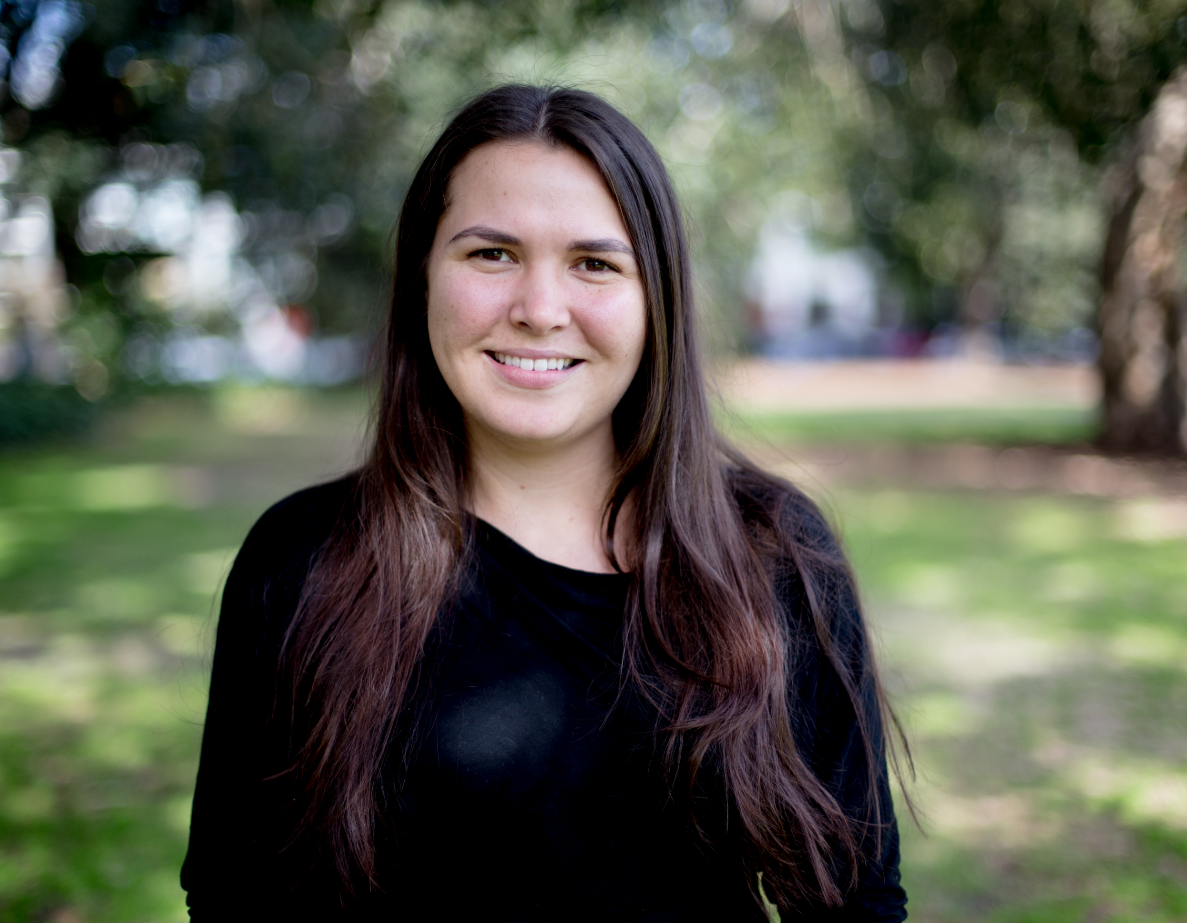
Inclusive education policy can break cycles of disadvantage.
In 2024, more than one in 10 high school students in NSW were suspended. Over 100 were expelled. These aren’t just numbers. They’re young people being pushed out of classrooms and into uncertainty.
And the impact isn’t felt equally. Aboriginal and Torres Strait Islander students are suspended at three times the rate of their peers. Students with disability who receive reasonable adjustments are suspended 2.5 times more. These are students already navigating systemic barriers, and exclusion only deepens the disadvantage.
Exclusion is not a solution
Let’s be clear: school exclusion is not just a behaviour management tool. It is a social justice issue.
As a legal scholar and someone who has worked in education policy, I’ve seen how exclusion doesn’t fix the problem. It just moves it. Often, it moves it into the justice system. More than half of the young people in NSW youth detention have been expelled from school. That’s not a coincidence. That’s a troubling nexus between school exclusion and youth incarceration, where one system’s failures feed into another.
Long-term data confirms this pattern. A recent study tracking 72,000 NSW public school students over a decade found that nearly one in five had been suspended or expelled. The findings show how exclusion is not only widespread but also concentrated among students already experiencing disadvantage, reinforcing cycles of disengagement and marginalisation.
The human cost of exclusion is high, but so is the financial one. According to the 2025 Report on Government Services, the average cost of educating a student in a NSW government school is just $10.70 per day.
In contrast, detaining a young person in a Youth Justice centre costs $2748.96 per day. That means a single day in custody is roughly 257 times more expensive than a day in school.
Investing in education and inclusion is not only the right thing to do. It’s also the smarter, more sustainable choice.
Teachers are doing their best in increasingly complex classrooms. But they’re often under-resourced and under-supported. When the default response to distress or disruption is suspension, we’re not solving the issue. We’re sidelining it. And we’re sidelining the students who most need support.
We need to ask what kind of education system we are building. One that punishes vulnerability? Or one that invests in belonging?
What works: restorative and inclusive approaches
There are better ways. Restorative, relational and community-led approaches are not only more effective, but they’re also more just. Internationally, we’ve seen success in places like Scotland, where permanent exclusions have been reduced to almost zero through a national commitment to inclusion and a requirement that schools exhaust every alternative before excluding a student.
Meaningful change is possible when systems invest in long-term, whole-school approaches that centre relationships, community partnerships and the voices of young people. This also highlights the importance of shifting adult mindsets and school cultures and not just implementing programs but embedding restorative practices into everyday school life.
We're seeing promising models here in NSW too. The Community Restorative Centre’s Pathways program is a great example. It offers holistic support for young people in the justice system, with intensive case management and counselling across housing, education, employment, addiction, disability and family needs. Trust and long-term relationships are at its core.
Many of the young people supported by Pathways have been excluded from mainstream schooling. Reoffending often happens during periods of disengagement, and returning to school after custody is tough. Young people face stigma, rigid systems and limited support. As one staff member put it, “young people going back to school feel judged from the second they walk in.”
The Pathways approach is strengths-based and restorative, with targeted support for Aboriginal and Torres Strait Islander young people, those with disability, and those managing substance use or mental health challenges.
While Pathways hasn’t been independently evaluated yet, broader reviews of CRC’s programs show strong outcomes. Other community-led diversion programs in NSW have reduced reoffending by up to 66%.
Six policy shifts NSW can make now
In our recent report, co-authored with Dr Archie Thomas, we outline six practical policy shifts NSW can make right now:
- Redirect resources from punitive measures to school-based support systems that help teachers manage distress and disruption
- Develop a NSW school discipline policy focused on keeping students in school, rather than pushing them out
- Implement restorative approaches in education policy and practice, including trauma-informed care and relationship-building
- Involve communities in collaborative policymaking, drawing on local expertise and lived experience
- Create alternatives to police involvement in schools, including community-based support networks
- Improve data collection to strengthen transparency and accountability around exclusion
I believe our schools must be places of safety, belonging and possibility, not punishment. The evidence is clear: exclusion does not work, and it disproportionately harms students who are already facing systemic barriers.
NSW has an opportunity to lead the way in building a more inclusive, supportive and just education system that keeps students in school and invests in their futures.
Dr Samara Hand is a Worimi/Biripi scholar and Lecturer at UNSW Law & Justice. She is a co-founder of the National Indigenous Youth Education Coalition, an Indigenous youth-led organisation committed to backing the voices of Aboriginal and Torres Strait Islander young people in education. She was previously their Director of Research and Impact and has worked for the NSW Department of Education and the Aurora Education Foundation.
Media enquiries
For enquiries about this story and interview requests please contact Ashleigh Steele:
Tel: +61421308805
Email: ashleigh.steele@unsw.edu.au
Related stories
-

Young detainees often have poor mental health. The earlier they’re incarcerated, the worse it gets
-
Community-controlled schools create better education outcomes for First Nations students
-
3 key moments in Indigenous political history Victorian school students didn’t learn about
-
UNSW student wins prestigious Indigenous law scholarship