


World-leading dementia researcher Professor Kaarin Anstey, and a rising star of nanorobotics, Dr Felix Rizzuto, have been recognised among the state’s highest achievers.
Two UNSW Sydney scientists whose work is reshaping dementia prevention and next-generation nanotechnology have been recognised in the NSW Premier’s Prizes for Science & Engineering.
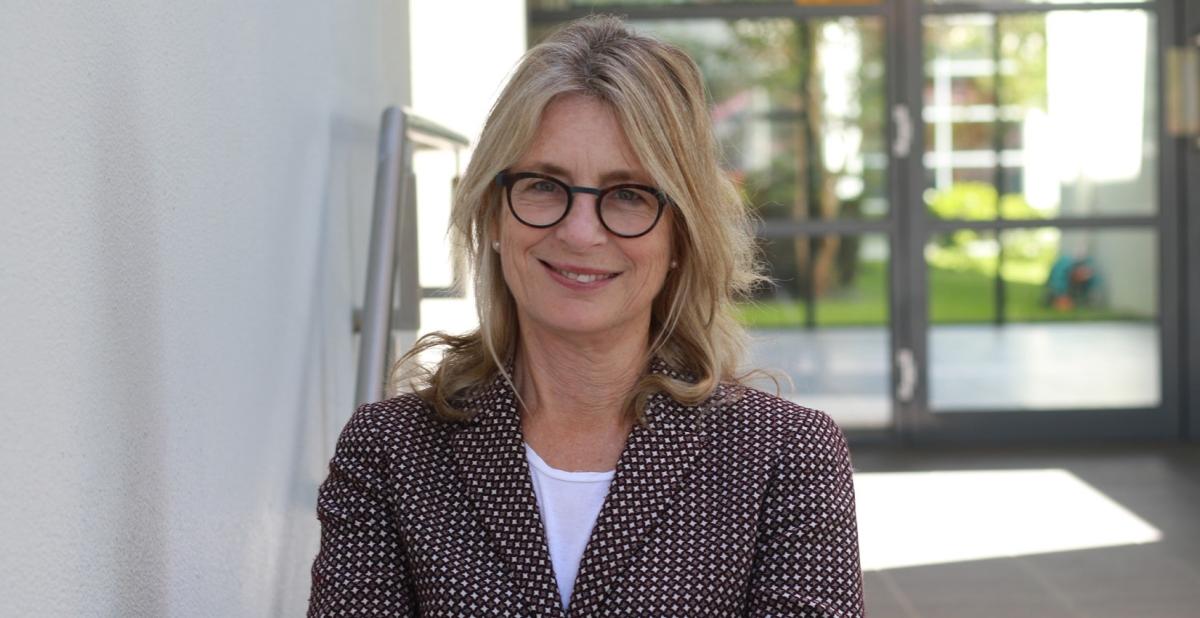
Scientia Professor Kaarin Anstey, a global authority on cognitive ageing and dementia risk, from the Ageing Futures Institute at UNSW and Senior Principal Research Scientist at NeuRA, received the Excellence in Medical Biological Sciences prize.
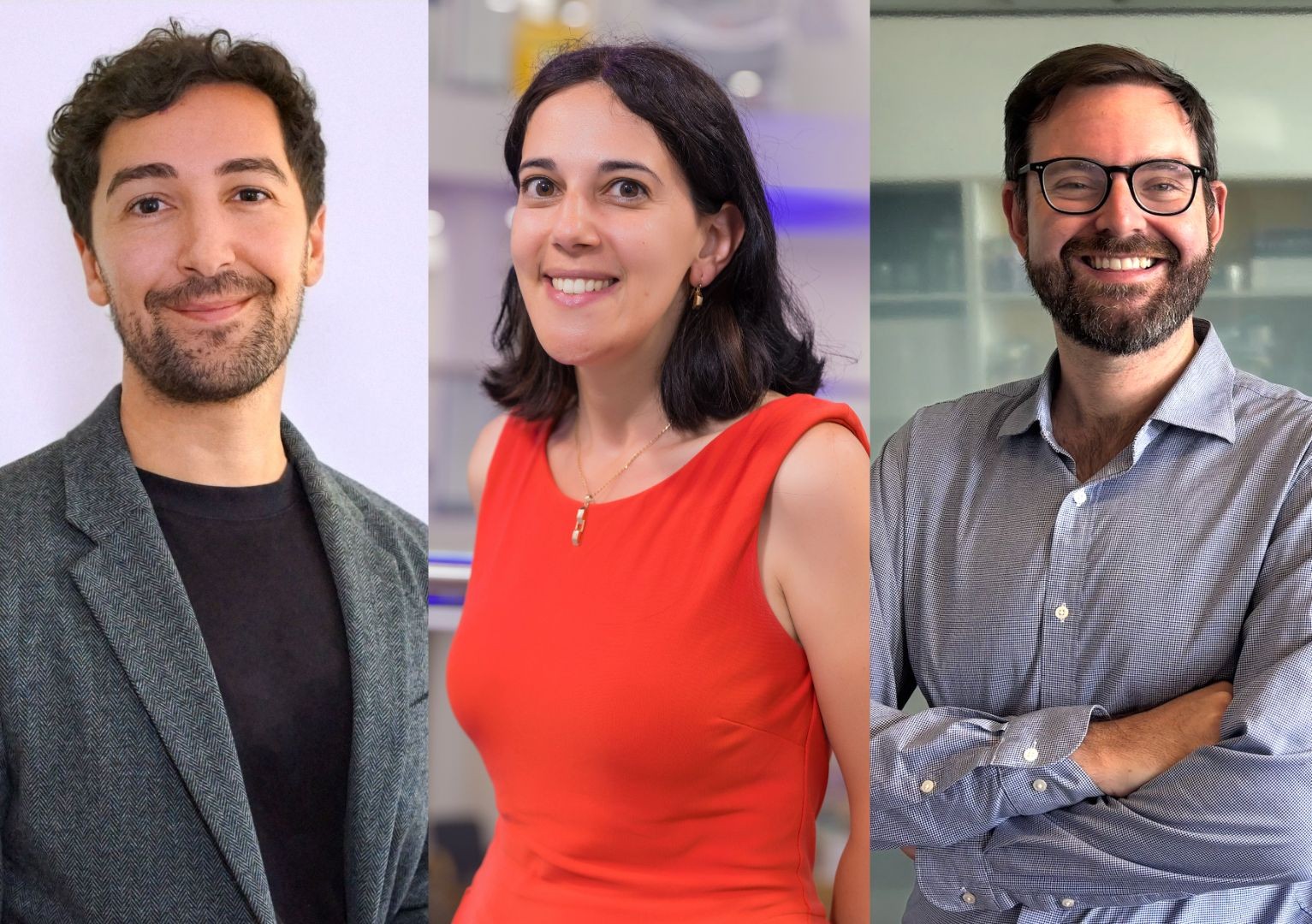
Dr Felix Rizzuto from UNSW Science, an emerging leader in DNA nanotechnology, was named the NSW Early Career Researcher of the Year (Physical Sciences), recognising his work creating DNA-based nanomachines.
UNSW Vice-Chancellor and President Professor Attila Brungs congratulated his colleagues on the prestigious honour.
“These awards highlight the commitment, creativity and real-world impact of our researchers, from advancing dementia prevention to pioneering DNA nanorobotics. We are immensely proud of Prof. Anstey and Dr Rizzuto, whose work continues to deliver meaningful benefits for people in NSW and beyond,” he said.
Ten prizes are awarded to leading researchers each year.
UNSW Dean of Science, Professor Sven Rogge, said the awards were well-deserved.
“Kaarin’s research has been highly influential and led to the development of dementia risk assessment tools that are used around the world, while Felix’s work is driving transformative advances across the materials, engineering and nanotechnology sectors,” he said.
“Both academics are not only shaping the future of science but inspiring the wider community. It’s a great privilege to see them recognised this year.”
Scientia Professor Kaarin Anstey
Excellence in Medical Biological Sciences (Cell and molecular, medical, veterinary and genetics)
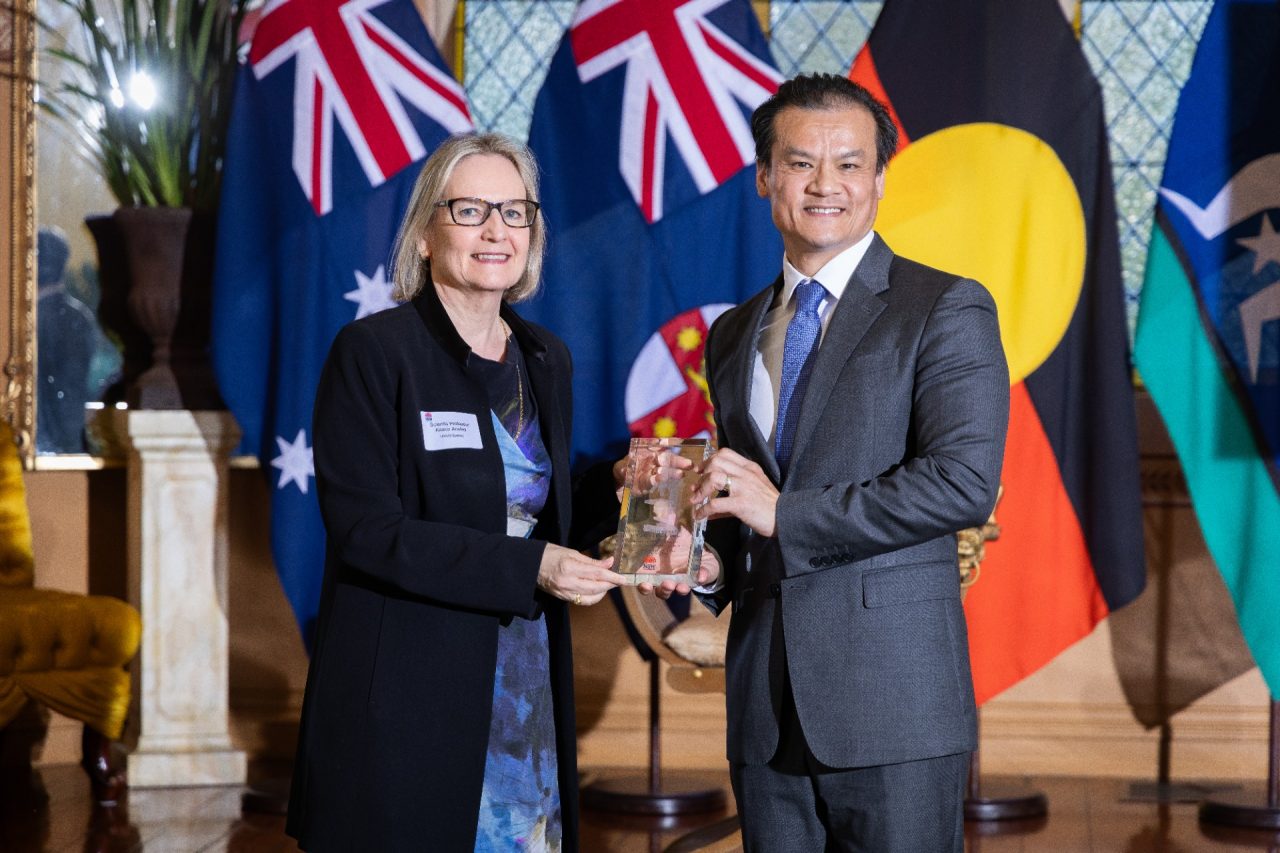
Prof. Anstey is a world-leading researcher in cognitive ageing and dementia risk reduction.
Her research has identified new risk and protective factors for dementia, reshaped global guidelines and led to the creation of widely used clinical tools.
Prof. Anstey has developed dementia risk assessment tools, such as CogDrisk, which have been adopted for use in brain health clinics in Europe and Australia and are increasingly adopted in general practice.
“My career has focused on understanding cognitive ageing and the factors that increase and decrease risk of dementia so that we can learn how to slow cognitive ageing and prevent dementia,” Prof. Anstey said.
“I’ve also led a program of work on older driver safety that has also involved developing risk assessments and interventions. Collectively, my programs focus on understanding ageing and improving the quality of life for older adults.”
Prof. Anstey’s expertise has had global reach. She helped establish the International Research Network on Dementia Prevention and is a member of the World Dementia Council and Vice-Chair of the Governance Committee of the Global Council on Brain Health.
“This award is a great honour, and it means a huge amount that my team’s and my work in cognitive ageing and dementia is recognised,” she said.
“I am also incredibly indebted to my wonderful team at UNSW and NeuRA and collaborators nationally and internationally. In particular, I thank Dr Ranmalee Eramudugolla, who has worked with me for many years.
“Research is a slow process, and it takes many years for ideas to be funded, researched and then transformed into impactful outcomes that improve society. Recognition like this is important validation for the hard work involved.”
Prof. Anstey is an Australian Research Council Laureate Fellow and received the 2023 inaugural Royal Society of NSW Award in the Social and Behavioural Sciences. She has contributed over 570 journal articles and book chapters, which have been cited over 45,400 times, giving her an h-index of 113.
Dr Felix Rizzuto
NSW Early Career Researcher of the Year (Physical Sciences)

Dr Rizzuto is an international expert in DNA nanotechnology. His work uses DNA and RNA, along with peptides, lipids and small molecules, to create miniature technologies for use in soft robotics, synthetic biology and health care.
Dr Rizzuto has pioneered a suite of chemical tools that operate tiny, biocompatible nanomachines for potential use in wound healing, tissue repair engineering and timed drug delivery.
His latest breakthroughs in DNA nanorobotics have helped create molecular machines that can be switched on and reused with a smartphone flashlight, paving the way for highly sensitive and user-friendly nanodevices.
With potential applications spanning medicine, chemistry and engineering, Dr Rizzuto’s research could one day revolutionise how we design treatments, manufacture materials and perform chemistry at the molecular level.
He said the prize was a meaningful acknowledgment of his research and the hard work of his team.
“We are only one of a handful of labs that do this kind of research in Australia, so receiving this award is very significant to me,” he said.
“Being embraced by the physical sciences and seeing our research being so well received across such a broad discipline set is really exciting.”
Dr Rizzuto has received more than $2 million in research funding as lead investigator since 2022, including the Australian Research Council Discovery Early Career Research Award, a Moderna Australia Fellowship and two Australian Research Council Discovery Projects. His work has been published in Nature Materials, Nature Chemistry and the Journal of the American Chemical Society.