


As countries try to make good on pledges to restore huge swathes of the environment, one question is becoming increasingly urgent: is it worth it?
Dana Lanceman had never seen a black-necked stork at Big Swamp before this year, now they’ve seen two.
They’re endangered in NSW but Big Swamp, a tidal wetland on the Manning River near Taree, used to be home to plenty.
The floodplain was drained to make way for farms a century ago, but the water quality became so bad in 2012 big acidic plumes leeched into the estuary.
In 2013, the local council decided to acquire the land and rehabilitate it – a project which, if the black-necked storks are to be believed, is working.
“It was so exciting,” says Dana, who is a PhD student in the UNSW School of Biological Earth & Environmental Sciences.
“There was a male and a female, so it was potentially a breeding pair which is really promising.”
Big Swamp is looking good, and now Dana wants to know whether other restoration projects are working, a question with increasing relevance as global pledges to protect nature ramp up.

Send in the crabs
We’re not always great at gathering long-term data in the years following a restoration project.
Projects are routinely only funded to do a year or so of monitoring, and sometimes measure attributes that don’t tell us how well an ecosystem is functioning.
Focusing on the number of plants growing and the number of hectares restored won’t tell you how healthy a site is, how much carbon it’s storing, or if the soil is improving.
As part of their PhD, Dana wanted to figure out how to better measure the success of projects in the years after the active restoration is “finished”.
They did this by looking at multiple sites in two estuaries on Australia’s east coast – the Hunter River estuary near Newcastle, and the Maroochy River estuary on Queensland’s sunshine coast – which were restored between 1990 and 2018.
By measuring things like saltmarsh cover, mangrove height, and the number of birds and crab burrows, Dana was able to see how similar ecosystems changed over time.
“Mangrove trees can produce these quite small hollows which have been shown to be important microbat habitats.
“[Among other things] we wanted to know how long it would take to produce these hollows again if we lost the remnant mangroves.”
These attributes indicate how well an ecosystem is functioning and, according to results published in the journal Ecological Application, the sites are looking promising.
“It looks like they are on the pathway to natural, resembling what it might have looked like before disturbance.
“Some attributes already were at natural levels after 30 years, and while others were still quite far off, we were seeing evidence they were at least trending toward natural.”
Dana says they weren’t seeing any crab burrows at the younger sites, suggesting it can take decades for some ecosystem services to return to normal.
“We think the sediments were changed quite a lot in these converted wetlands, and they take a long time to kind of get back to the right environment for crabs,” they say.
That suggests restoration isn’t always a straightforward pathway, and that the disturbance history of a site can have a big role.
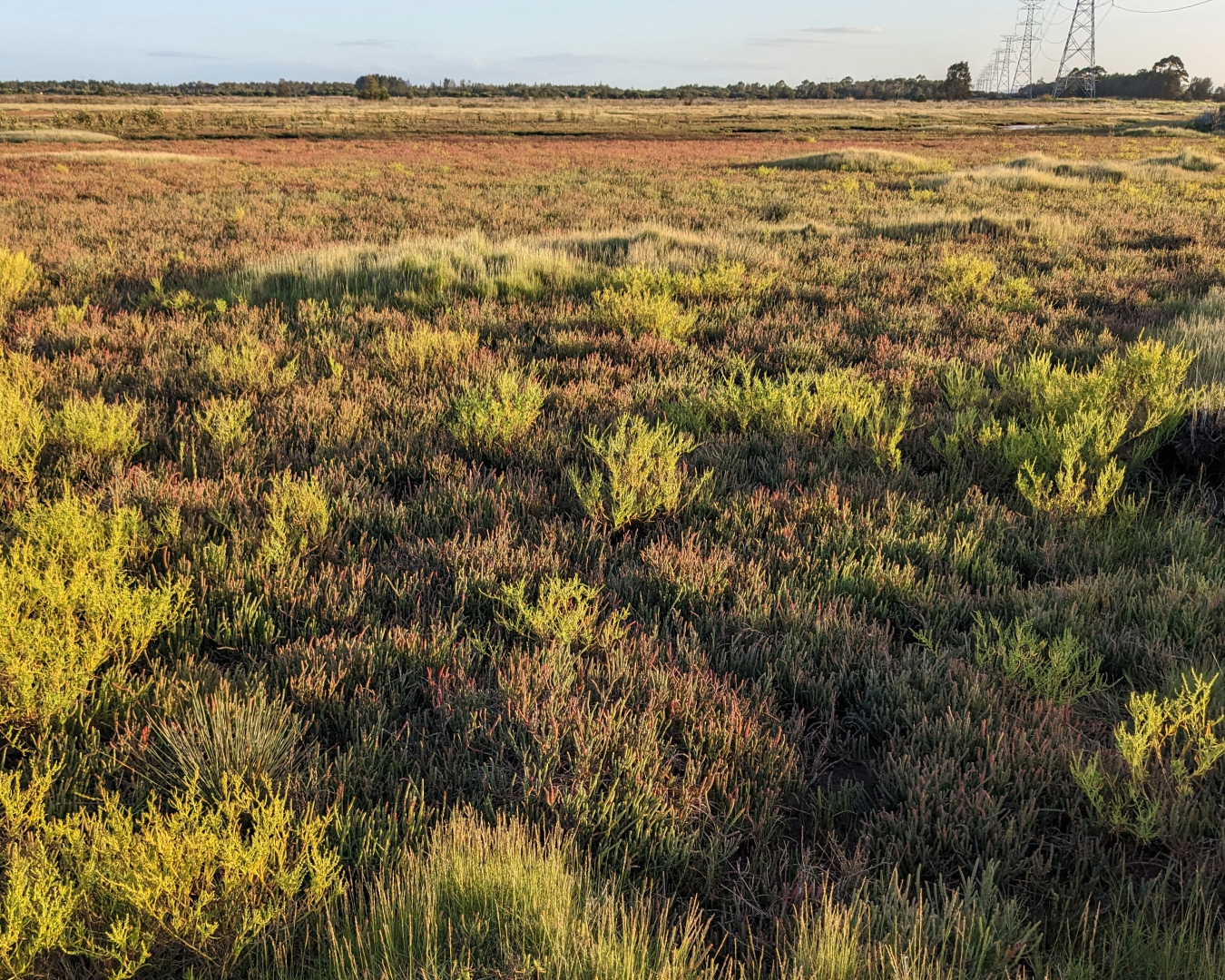
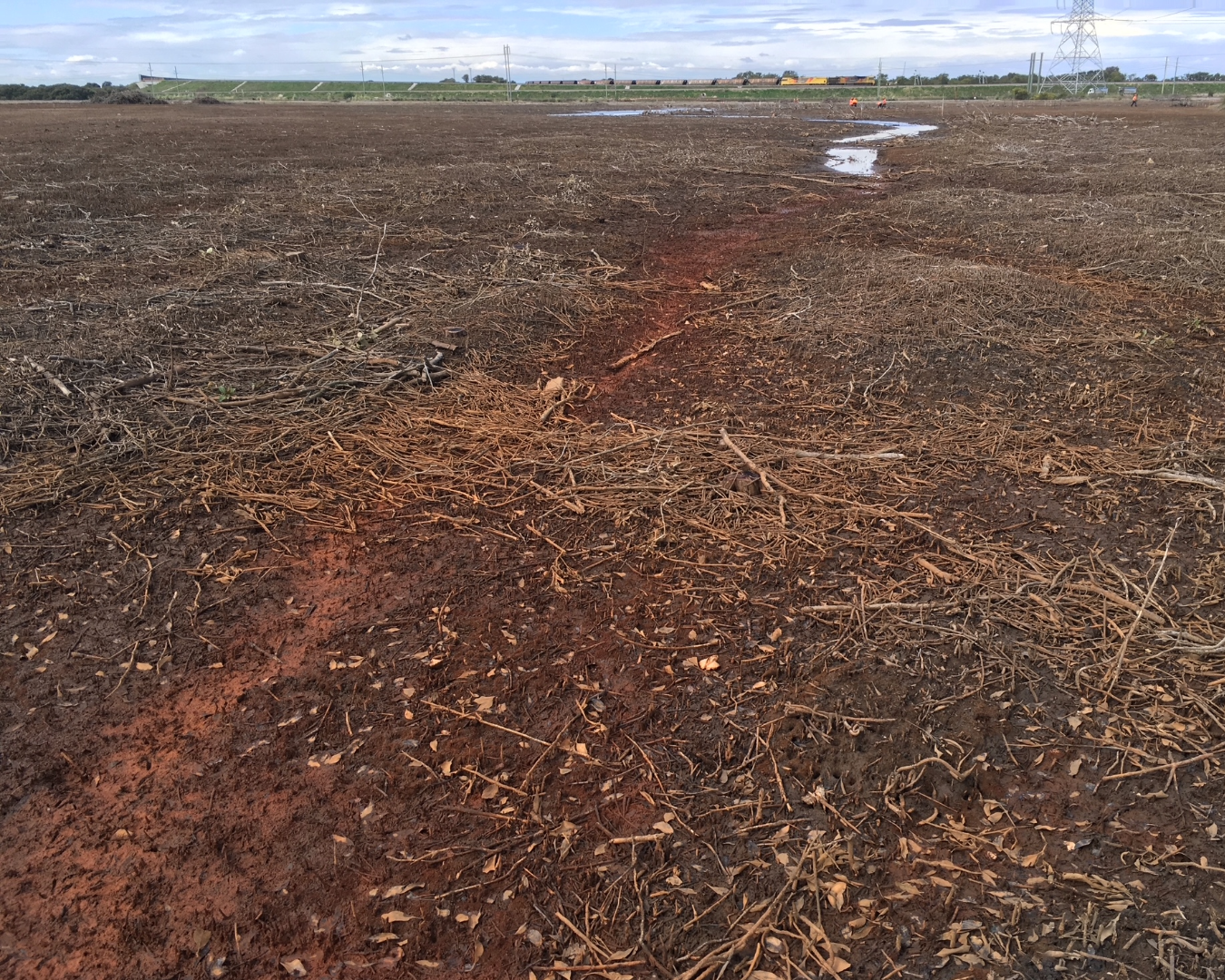
Dana wanted to know how restored ecosystems changed over time to understand whether an ecosystem is on the pathway to “natural”. Credit: Supplied
30 by 30
The international community has pledged to protect and conserve at least 30% of the planet’s land and oceans by 2030, a huge commitment that could cost trillions.
Australia has committed to the 30 by 30 goal, and a quarter of the country is currently marked for restoration.
But even as the total conservation area increases, budgets are tightening.
In the recent Federal Budget, funding for the on-ground nature programs will shrink over the next few years to $323 million in 2028-29, or 0.04% of the total budget.
Dana says their work shows this is money well-spent.
“We can do large-scale restoration. Let's keep going and let's keep trying things.”
But to make sure scarce resources are being allocated where they’re most effective, measuring the efficacy of restoration projects is increasingly important.
“This work will really help us understand what and when to monitor, and then help us get sites back on track, hopefully improving restoration in general.”
While Dana focused on a handful of estuarine sites, the approach could be applied to other ecosystems, you just need to decide what to measure for.
“We need to think what is required for the value we're looking for, and that can help us get a ballpark for how long it might take to develop."
In terrestrial forests, for example, tree hollows that certain animals love may take hundreds of years to develop, so it may take a while for things to get back to normal.
The path of restoration is not a straightforward one, but knowing whether a site is on the right track will help make sure we’re spending scarce resources effectively.
And better long-term data will help researchers target interventions, give a clearer idea of what’s working, and identify when it’s time to change tack.