Simple exercise program slashes fall risk and injuries in older adults
A trial in rural China shows how simple, community-based exercises can reduce falls and injuries among older adults by more than 30%.
An international trial co-led by UNSW Sydney has found that a low-cost, community-based exercise program can significantly reduce the risk of falls and related injuries among older adults.
The year-long exercise intervention trial, involving more than 2,600 people in rural China, reduced falls and fall-related injuries among older people by about a third, and improved the lower-limb function, balance and quality of life of those who took part.
The findings, published in The Journal of the American Medical Association (JAMA), show how culturally tailored exercise programs – which leverage the existing healthcare workforce and infrastructure – can reduce the risk of falls and offer a cost-effective model for aging communities.
Falls are the leading cause of injury-related death in older adults globally, accounting for more than 684,000 deaths annually, 80% of which occur in low- and middle-income countries. They also result in approximately 172 million cases of short- or long-term disability each year.
Professor Rebecca Ivers, Co-Principal Investigator of the FAMILY trial and UNSW Medicine & Health Deputy Dean, Global Engagement and External Education, said the findings offer hope for scalable, cost-effective solutions to a growing global health challenge.
“More than 260 million Chinese are aged 60 years and older, and the world’s population is also ageing,” Prof. Ivers said. “Effective, adaptable, systems-integrated interventions are urgently needed to prevent falls in low-resource settings — not just in China, but worldwide.”
The FAMILY trial is the first cluster-randomised study to embed an evidence-based exercise regimen within China’s primary healthcare system. It was conducted across 128 villages in the provinces of Heilongjiang, Shanxi, Hubei and Guangdong, and enrolled 2,610 adults aged 60 and older – with a median age of 70 – and followed them for 12 months.
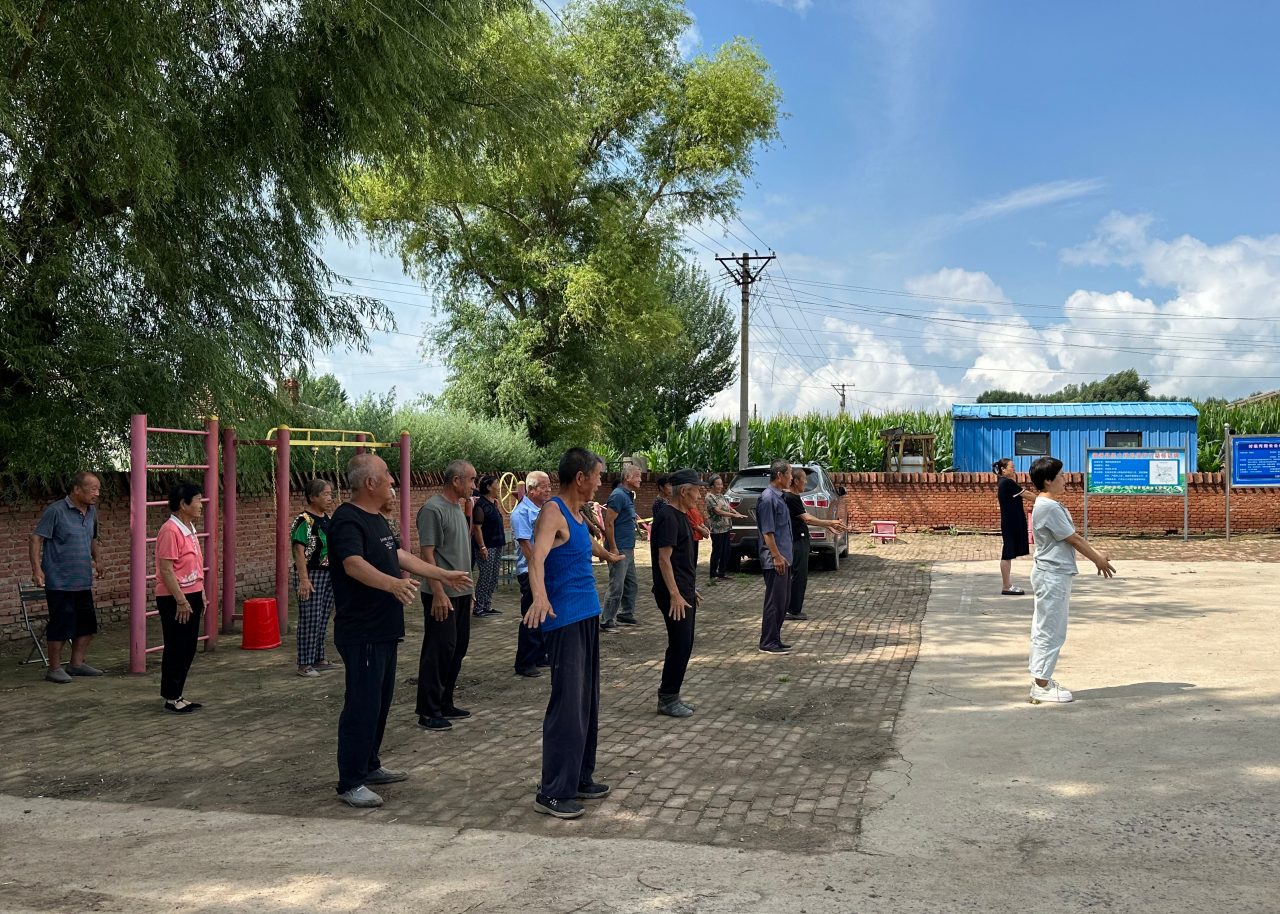
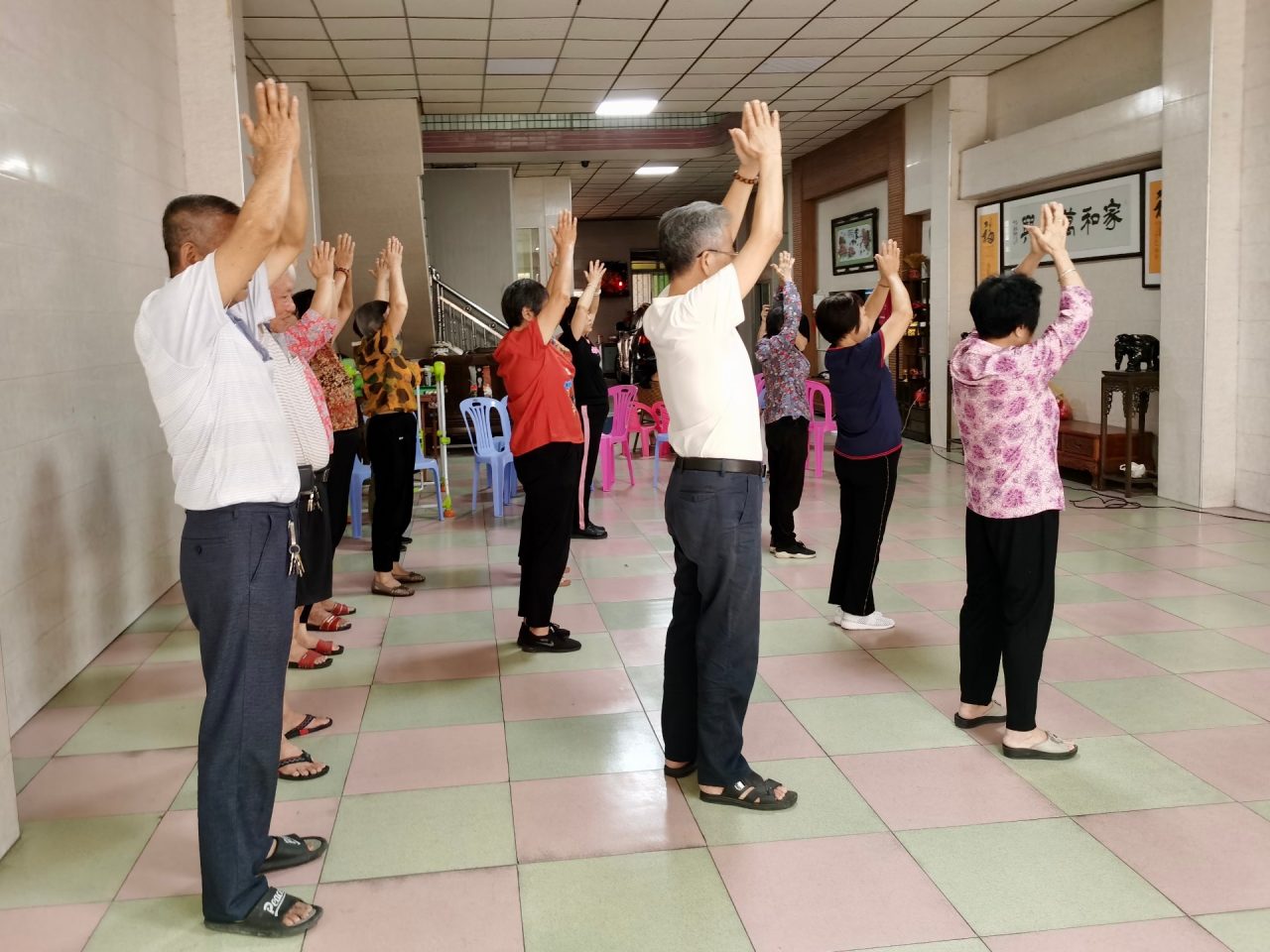
The exercise program was led by local village doctors and consisted of balance and functional exercises and community-engaged health education. Village doctors typically have technical school training or decades of practical experience, but are not formally trained physicians, and serve as trusted community figures, linking formal healthcare systems with rural populations.
Professor Maoyi Tian, Vice-Dean of the School of Public Health at Harbin Medical University and Principal Investigator of the trial, said the program’s success was rooted in its community-led approach.
“China’s rural village doctors are trusted community members. By providing them with a simple, culturally tailored, evidence-based exercise package, we turned falls prevention into a community activity,” he said.
The doctors led monthly group-based exercise classes and ran quarterly health education sessions, using pre-recorded videos which addressed common fall risk factors such as chronic conditions, medication use, unsafe footwear and home hazards. Participants were encouraged to complete home-based exercises at least four times per week.
Those taking part in the exercise intervention group experienced a 33% relative reduction in falls, with 29.7% reporting at least one fall over a 12-month period compared to 38.3% in the control group – who received health education alone, without active involvement with the communities.
Fall-related injuries were also 35% lower — experienced by 15.2% of people in the intervention group compared to 21.6% in the control group. Participants also showed improved lower-limb strength, better balance and meaningful gains in quality of life. Adherence to the monthly classes exceeded 80%, and no adverse events were reported.
“Older adults in resource-constrained regions tend to have low literacy levels. These simple and adaptable exercises make them an easy option to learn and practice,” Prof. Tian said.
“Moreover, community engagement activities foster a shared sense of collective responsibility.”
Prof. Ivers said the trial demonstrated how culturally adapted, evidence-based interventions could be incorporated into existing healthcare systems to deliver meaningful health outcomes.
“By leveraging trusted local providers and fostering community engagement, the program offers a promising model for fall prevention in resource-limited settings worldwide.”