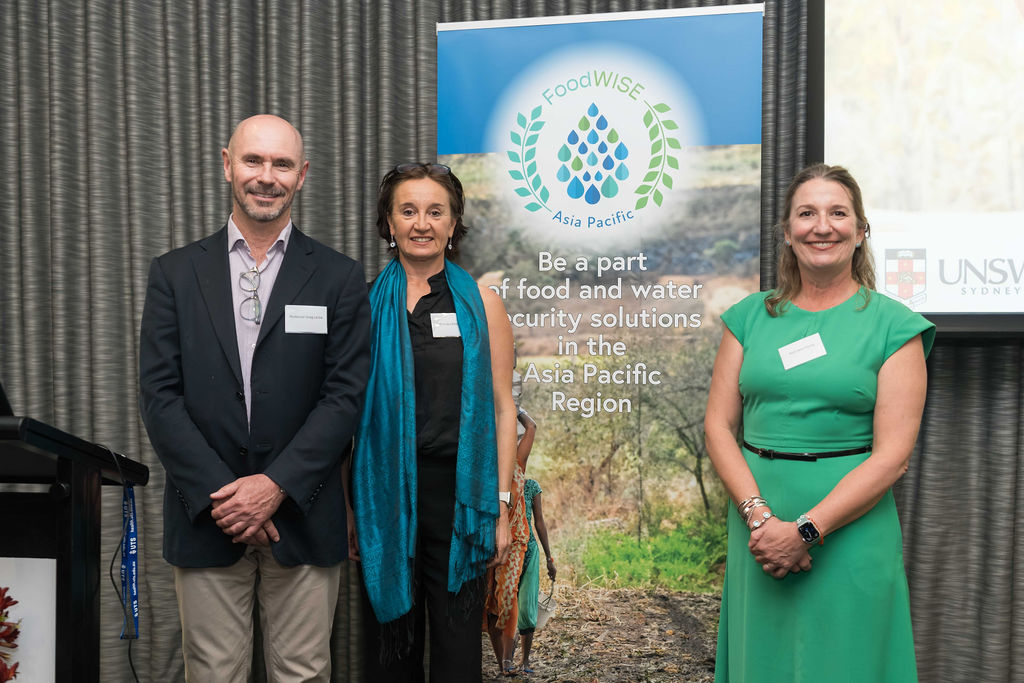
On 17-18 September 2025, a landmark, regional, two-day workshop brought dozens of international experts and community leaders together to advance food and water security in the Asia-Pacific.

The workshop followed the recent release of 2023 data from the Australian Bureau of Statistics, which revealed that 13.2% of Australians experienced food insecurity, and significantly higher rates among households with dependent children (34%).

Hosted jointly by UTS, UNSW, and Northwestern University, the workshop attracted people from 15 countries including Fiji, Timor-Leste, Tonga, Philippines, Indonesia, Papua New Guinea, Vietnam, Thailand, Bangladesh, Nepal, Sri Lanka, India, US, UK, and Australia. They worked together to share experiences, strengthen collaboration, and scale up efforts to address food and water insecurity in the region. 

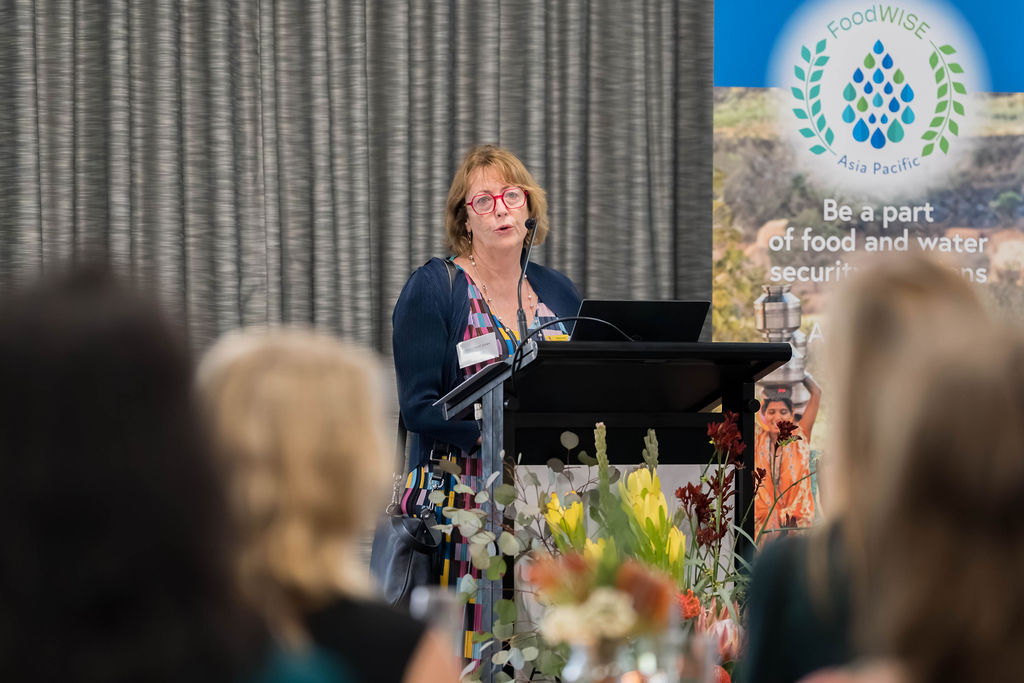
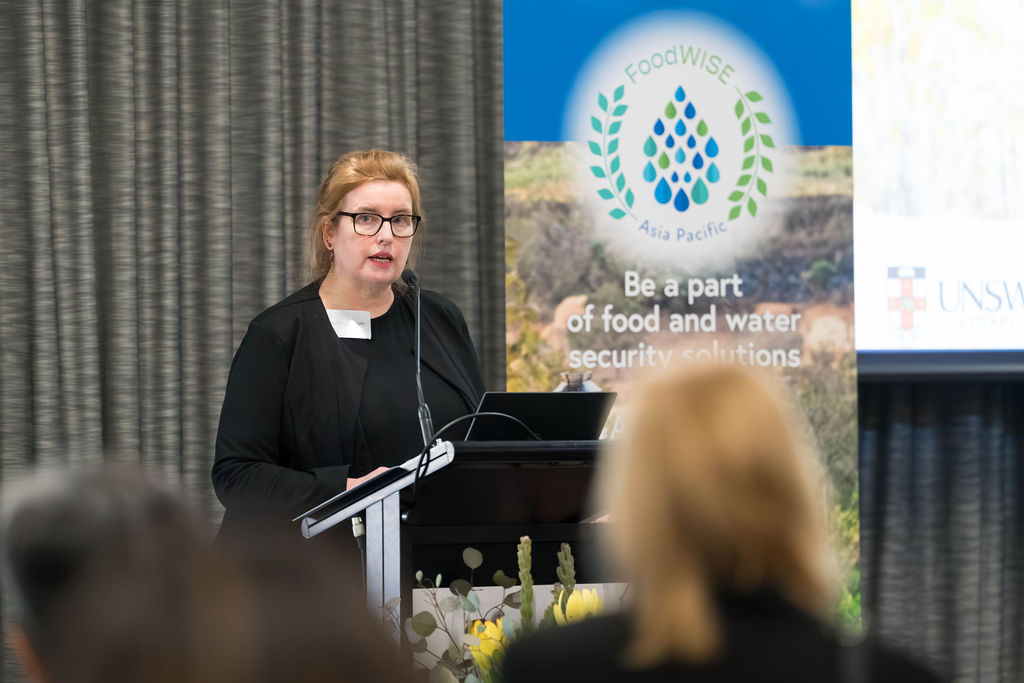
At a welcome reception on Wednesday 17 September, the workshop was opened by UTS Deputy Vice-Chancellor and Vice President Research Professor Kate McGrath and UNSW Dean of Medicine and Health Professor Cheryl Jones officially.

Professor Jones said, "This event is both timely and necessary. Food and water security are foundational to health and well-being, yet increasingly under threat from climate change, inequity, and fragile systems.

This meeting is the beginning of a shared journey to achieve food and water security solutions that are not only evidence-based but also inclusive, just, and sustainable.

UNSW is proud to stand alongside our partners in supporting FoodWISE as a catalyst for that work."

A focus on community leadership

A key focus of the workshop was to promote community-led and inclusive approaches, highlighting the importance of lived experience and Indigenous knowledge in shaping sustainable responses.

Participants explored experiential food and water security measures, which are being increasingly recognised for their value in shaping policy and program design. These tools include the Water Insecurity Experiences (WISE) Scales, which offers a human-centred lens through which to understand food and water access and use. 

Presentations were also given by grassroots leaders who are shaping local solutions.

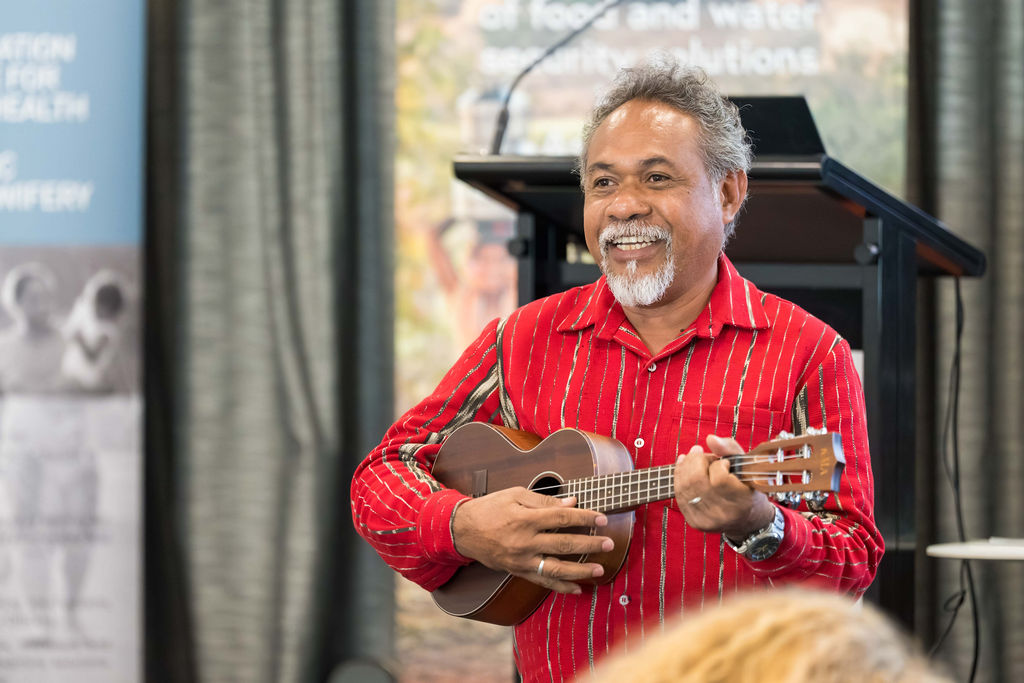
Ego Lemos, Executive Director of Permatil Timor-Leste shared insights from this work in leading a long-standing agroecology and water resilience project led by local communities across Timor-Leste.

By the end of his presentation, the musician-activist had the participants singing along to his song, Let’s Fix the Earth.

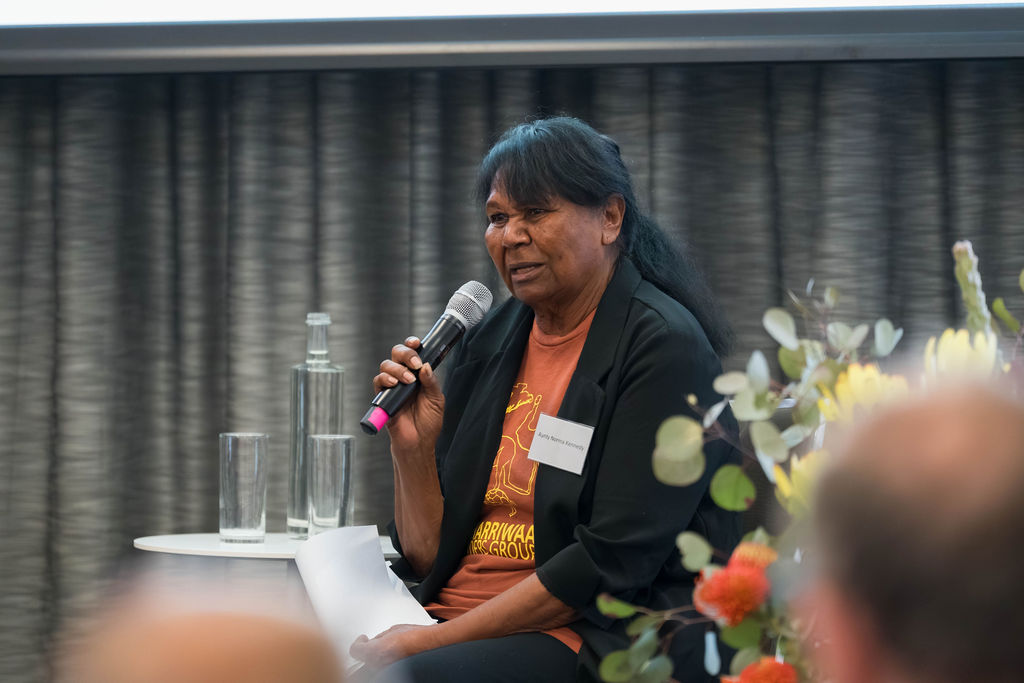
Members of the Dharriwaa Elders Group from Walgett, Australia, also presented on community-driven efforts to strengthen food and water security in their remote Aboriginal community.

Aunty Norma Kennedy, an Aboriginal Elder from Walgett in regional New South Wales said, "The river today is disgusting, very disgusting. We can’t drink the water. Can’t fish from it. By not drinking from it, every day we need to buy water from the IGA and that takes away from buying food in a time of increased cost of living. Our mob is dying out. Fast. And it’s from this water."

Wendy Spencer, General Manager and Water and Country Co-Lead of the Dharriwaa Elders Group said, "We didn’t realise the depth of the food and water insecurity in the community until the [WISE] survey results. The tools enabled global comparisons that achieved media attention. We couldn’t be ignored after publishing evidence-based results. This community survey provided us with evidence for what the government should be funding."

Launching a new Asia-Pacific network

The event marked the official launch of the FoodWISE Asia-Pacific Network—a new platform for sustained regional engagement, shared learning, and coordinated action on food and water security.

As with the workshop, the network will bring together voices from community groups, research institutions, governments, major international development agencies, UN and intergovernmental bodies, and national peak organisations, fostering collaboration across local, national, and global levels.

Prof Kate McGrath from UTS summed up the urgency of this collaboration, saying, "Innovations in food security, water access, and community wellbeing don’t happen in isolation. The projects here are the result of years of collaboration between institutions and communities, where expertise is shared—not imposed.

Communities bring deep knowledge of Country, of local challenges, and of what works. Universities and research partners contribute technical expertise, resources, and networks. But it’s the weaving together of these strengths that creates real impact."

Key convenors of the workshop and network are:

  • Professor Sera Young, Northwestern University — global leader in water insecurity research and co-developer of the WISE Scales, used in over 90 countries. Soon to serve as Co-Editor-in-Chief of PLOS Water, she was recently awarded Mexico’s inaugural Public Health Champion Award.
  • Professor Jacqui Webster, University of Technology Sydney — NHMRC Investigator Fellow leading initiatives to strengthen food and water security in indigenous communities in Australia and the Pacific.
  • Professor Greg Leslie, UNSW — Director of the Global Water Institute and UNESCO Centre for Membrane Science and Technology, spearheading interdisciplinary water solutions across the region.