UNSW academic named ARC Industry Laureate Fellow
2025-07-14T10:10:00+10:00

Scientia Professor Ewa Goldys has received one of eight new ARC Industry Laureate Fellows.
Photo: UNSW Sydney
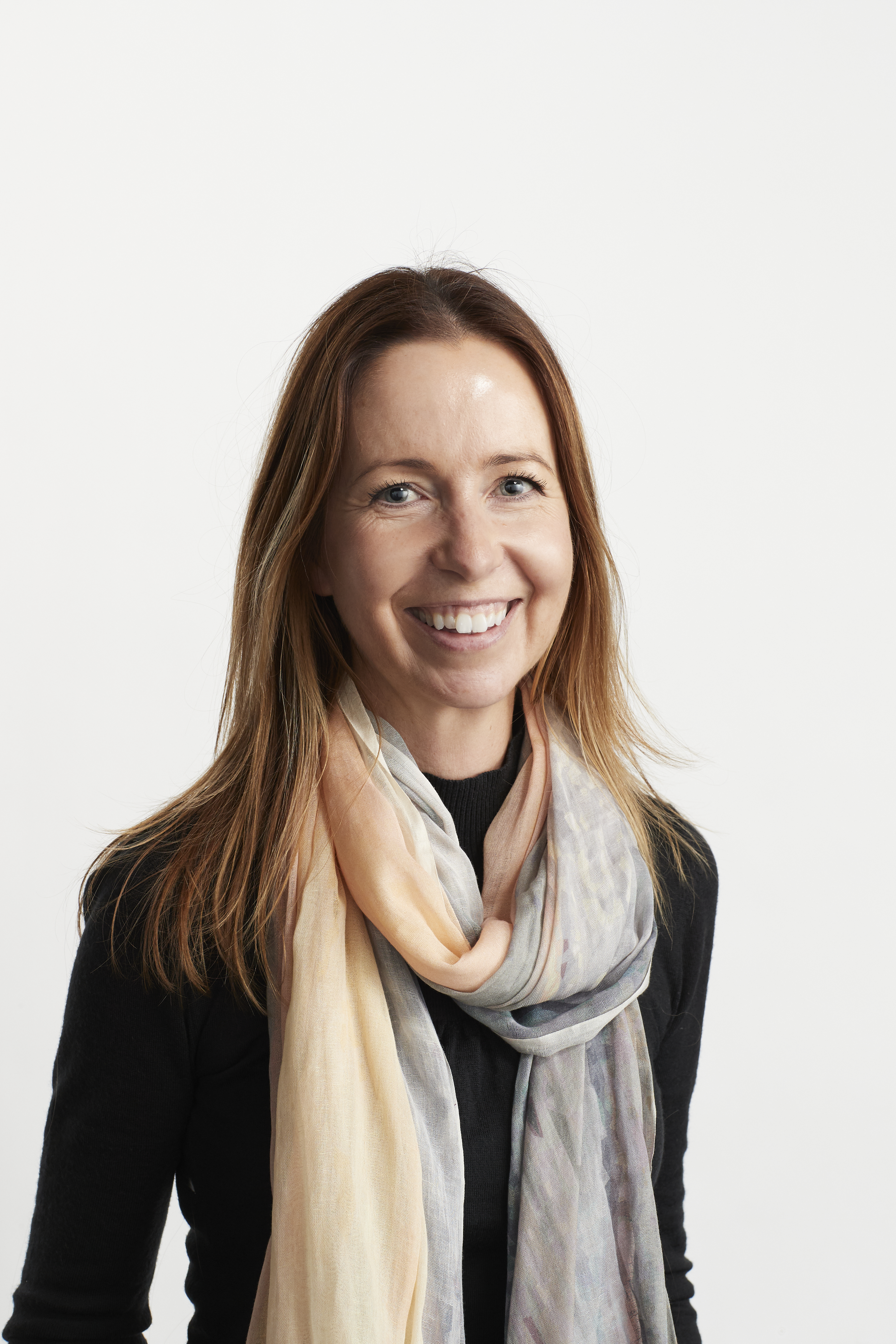
Scientia Professor Ewa Goldys has been awarded a prestigious Industry Laureate Fellowship to develop low-cost water testing technologies with environmental and commercial impact.
UNSW Professor Ewa Goldys from the Faculty of Engineering has received $3.9 million in funding over five years under the Australian Research Council (ARC)’s Industry Fellowships Program.
She becomes one of eight new Industry Laureate Fellows announced by ARC. The Fellowship program supports researchers to build connections with industry and contribute their expertise within university settings.
Deputy Vice-Chancellor Research & Enterprise, Professor Bronwyn Fox congratulated Prof. Goldys on the outstanding achievement.
“Ewa is a highly respected research leader at UNSW who has generously mentored the next generation of scientists and engineers. Her research is an example of how UNSW researchers are partnering with industry to deliver practical solutions to national challenges, like water security and biosecurity. I’m thrilled to see her recognised by the ARC and look forward to the significant benefits this project will bring to Australia.”
UNSW Dean of Engineering Professor Julien Epps congratulated Prof. Goldys on her fellowship.
“This Fellowship reflects Ewa’s longstanding excellence in biophotonics, as well as her commitment to solving real-world problems through collaboration with industry. Her work in developing low-cost, gene-based water testing technologies will deliver lasting benefits for public health, biosecurity and environmental sustainability.”
Low-cost gene-based tests to protect water and biosecurity
Prof. Goldys’s project aims to develop innovative ways to test water for harmful microbes. In partnership with Australian water testing company Biopoint Pty Ltd, the team will create the world’s first tests that are extremely sensitive, low-cost and can process large numbers of samples quickly.
“The Fellowship technology is a breakthrough in gene-based testing,” said Prof. Goldys.
“It can be rapidly adapted to target new genetic threats, deployed at speed and used directly in the field. That kind of flexibility is exactly what’s needed for water testing, biosecurity and public health.
“In close partnership with Australian industry, this Fellowship is about building gene-based tools that are scalable, affordable and designed with the end user in mind. We’re translating deep science into practical solutions that work where they’re needed most.”
In the short term, this project will reduce the cost of testing water quality and checking wastewater. In the long term, the testing technology developed will be able to detect a wide range of genetic material with high sensitivity.
The Fellowship technology is a breakthrough in gene-based testing.

It has the potential to transform the $1.4 billion water testing industry and have a significant impact on the $16 billion molecular testing market. By creating a new, ready-to-use and flexible method for monitoring water and protecting Australia’s biosecurity, the project will bring both environmental and social benefits to the country.
“This is more than a research project, it’s a critical investment in Australia’s future,” said Prof. Goldys.
“The Fellowship technology aligns strongly with national priorities in advanced manufacturing, biosecurity, and defence and will help deliver lasting value for Australian taxpayers.”
Fellowships to strengthen research–industry collaboration
ARC Chief Executive Officer, Professor Ute Roessner, said she was looking forward to the outcomes from the Fellows.
“These Industry Laureate Fellows will strengthen Australia’s research capacity and competitiveness by providing leadership in the development of high-quality and impactful collaborations between university and industry personnel, and by mentoring early career researchers to develop industry translation and commercialisation skills.”
The eight new Fellows will lead research in a broad range of areas, including protecting Australia’s drinking water from climate-driven events, developing a world-first automated sustainable aquaculture farming factory and developing new computational technologies to improve women’s health.
Media enquiries
For enquiries about this story and interview requests please contact Yolande Hutchinson:
Tel: 0420 845 023
Email: y.hutchinson@unsw.edu.au