

Growing demand for drug checking services: new report
2025-09-26T08:00:00+10:00

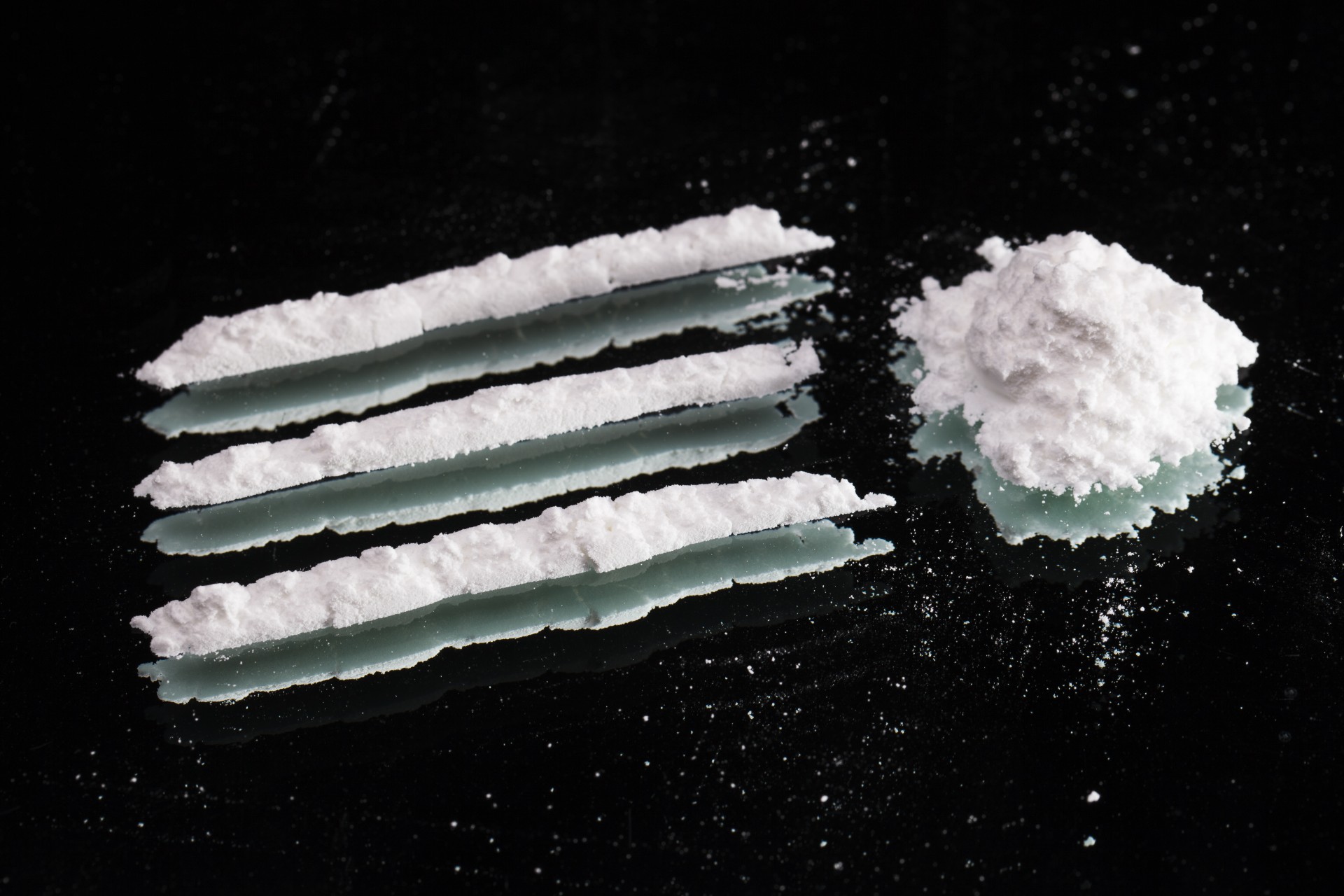
Photo: Adobe Stock

The 2025 national drug trends reports reveal drug checking continues to be a common practice for those using illicit drugs.
The Drug Trends program at the National Drug and Alcohol Research Centre (NDARC), UNSW Sydney, today released findings from its annual surveys with people who use drugs.
Lead author Dr Rachel Sutherland says the 2025 national reports – which draw upon data across every Australian capital city – show drug checking remains common among people who use illicit drugs.
“Nearly 40% of people who use drugs like ecstasy and 15% of people who inject drugs reported testing their illicit drugs in the last year,” Dr Sutherland says.
The Ecstasy and Related Drugs Reporting System (EDRS) and Illicit Drug Reporting System (IDRS) identify emerging trends of local and national interest in key illicit drug markets. This includes the use of specific drugs and drug-related harms, risks and other behaviours.
“Of those who tested their substances, the majority around 70% reported using a personal testing kit, which can only provide limited information about the purity and contents of illicit drugs,” Dr Sutherland says.
“Approximately 40% reported they had submitted drugs for more comprehensive testing at a drug checking service.
“These findings reinforce that people who use drugs want information about their substances. They add to a growing body of evidence demonstrating demand for drug checking services in Australia.”
Increased use of naloxone
Drug Trends Program Lead and NDARC Deputy Director, Associate Professor Amy Peacock says the 2025 national report also indicates a significant increase in the awareness, uptake and use of naloxone.
“Naloxone, also known as Narcan, Prenoxad and Nyxoid, is freely available without a prescription in Australia,” A/Prof. Peacock says.
“It can be used by anyone to quickly and safely reverse the effects of an opioid overdose. This includes those caused by pharmaceutical opioids such as fentanyl and morphine, as well as illicit opioids such as heroin,” she says.
“This year, 73% of people who used drugs like ecstasy and 86% of people who injected drugs reported they had heard of naloxone. This is an increase from 63% and 80% in 2024, respectively.”
Approximately 20% of people who used drugs like ecstasy and 55% of people who injected drugs reported obtaining naloxone in the past year. One third of those who injected drugs reported they had resuscitated someone using naloxone at least once in their lifetime. This is up from 27% in 2024.
“Opioid overdoses can be prevented – take-home naloxone is a proven way to save lives,” A/Prof. Peacock says.
“In Australia, we are seeing more cases where drugs like cocaine and methamphetamine are being mixed with very strong opioids, or where products are made to look like legitimate medicines but unexpectedly contain an opioid.
“This means that people with little or no tolerance to opioids are being unintentionally and unknowingly exposed and are at higher risk of overdose.
“Because of the risk of unintentionally consuming opioids or using stronger-than-expected doses, having naloxone on hand is a practical way to reduce harm.”
Media enquiries
National Drug and Alcohol Research Centre (NDARC)
Tel: 0401 713 850
Email: ndarc.media@unsw.edu.au


We are seeing more cases where drugs like cocaine and methamphetamine are being mixed with very strong opioids, or where products are made to look like legitimate medicines but unexpectedly contain an opioid.

Key to national strategy
NDARC Director Professor Michael Farrell says the Drug Trends program is key to identifying emerging trends in substance use in Australia as well as the risks to public health.
“NDARC has coordinated the Drug Trends program since 1996 and its ongoing monitoring systems provide timely information for policy responses and intervention,” says Prof.Farrell.
This year marks the 40th anniversary of the National Campaign Against Drug Abuse (NCADA), which was launched in 1985 following the Special Premiers’ Conference on Drugs.
“The NCADA evolved into what we now know as the National Drug Strategy, which is the guiding policy framework for alcohol and other drug responses in Australia,” Prof. Farrell says. The next iteration is currently in development.
These findings will be presented at the 2025 NDARC Annual Research Symposium alongside a panel discussion, 'National Drug Strategy: 40 years of policy and practice' moderated by journalist and physician, Dr Norman Swan AM.
Access free and confidential advice about alcohol and other drugs by calling the National Alcohol and Other Drug Hotline on 1800 250 015.
Related stories
-

More Australians are overdosing on GHB. But there are ways to reduce your risk
-
Heroin found in cocaine and ‘ice’, and snorting a line can be lethal
-

Naloxone can reverse opioid overdose. Here’s why you might need some at home or in your bag
-

Ketamine use is at an all-time high. 5 things to know ahead of festival season