

.jpg)
Leading experts in polymer chemistry, quantum computing and molecular science have been recognised for their world-leading discoveries.
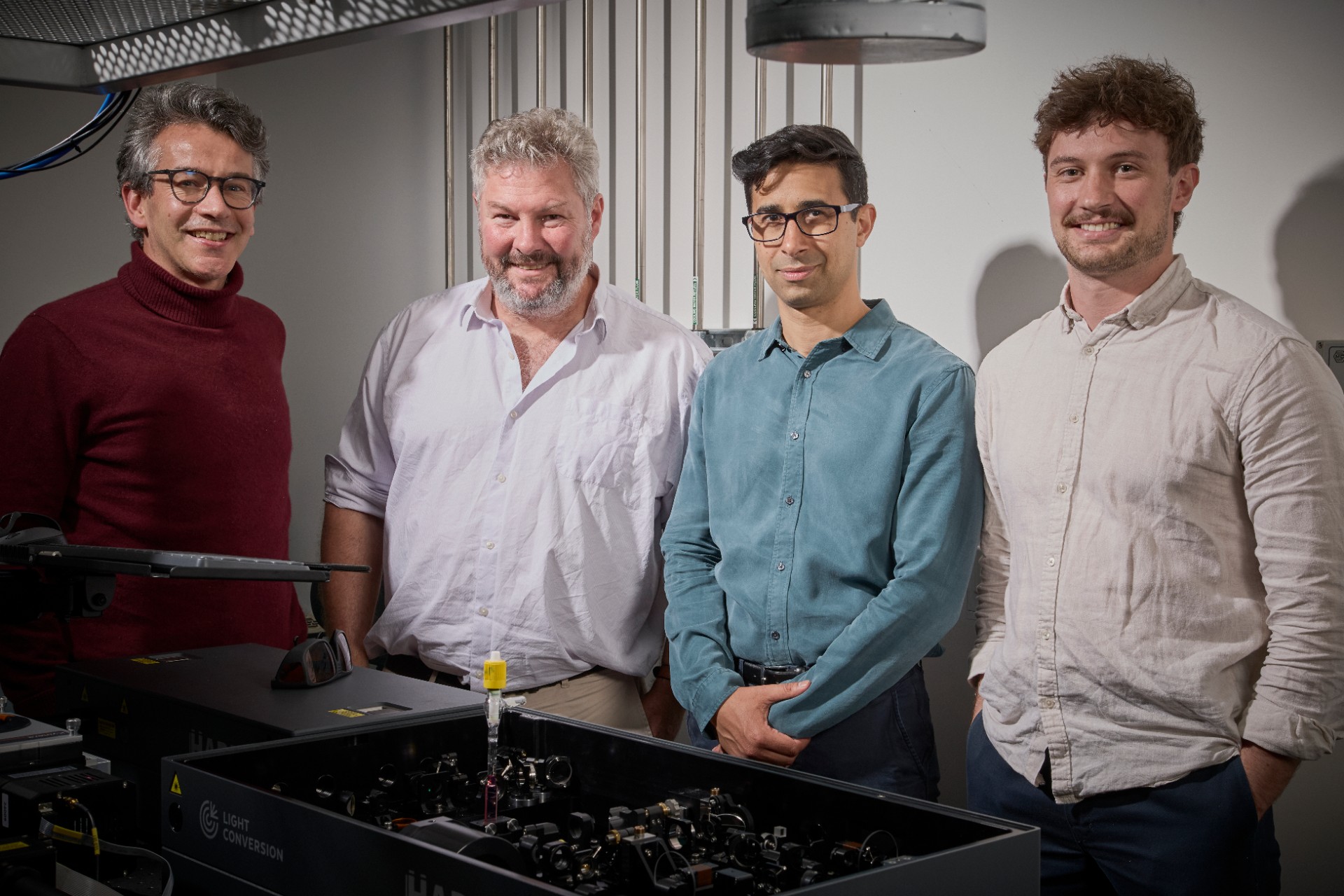
UNSW academics Professor Cyrille Boyer, Scientia Professor Andrew Dzurak and Professor Timothy Schmidt have been elected 2026 Fellows of the Australian Academy of Science (AAS) for their outstanding contributions to their fields.
They are among 28 new Fellows admitted to the Academy this year.
Advanced materials for medicine, sustainable manufacturing
A world-renown polymer chemist, Prof. Boyer is the Associate Dean, Research and Training at the School of Chemical Engineering.
Prof. Boyer has pioneered new ways of using light and specialised chemical catalysts to create and manipulate polymers – the building blocks of everyday materials such as plastics, rubber, silicone and nylon.
His research spans precision polymer synthesis, advanced manufacturing and sustainability, with applications across medicine, industry and environmentally sustainable technologies.
In nanomedicine, he and his team are developing smart biocompatible polymers that can deliver drugs directly to diseased cells or combat multidrug-resistant pathogens without harming healthy tissue.
They are also creating 3D and 4D printing technologies that can create highly customised products, including smart materials and complex industrial components that can adapt to their environment and self-repair.
Focusing on sustainability and the circular economy, Prof. Boyer’s research also addresses the end-of-life phase of these polymeric materials by developing recyclable polymers that break down efficiently, reducing waste and supporting sustainable manufacturing.
He said he was deeply humbled to be elected a Fellow of the AAS and viewed the honour as a collective achievement.
“This honour validates the dedication, creativity and hard work of the brilliant students, postdocs and international collaborators I have had the privilege to work with over the years.
“Watching more than 30 of my PhD students and numerous postdoctoral fellows grow into independent, brilliant scientists who now lead their own teams globally is profoundly fulfilling.
“I also see it as a responsibility. The Academy provides a vital platform to advocate for sustained investment in fundamental research, foster interdisciplinary collaboration and shape the next generation of scientific leaders – both in Australia and globally. This work plays a critical role in expanding Australia’s global influence and scientific prestige.”
Media enquiries
Tel: +61 413 495 994
Email: louise.templeton@unsw.edu.au



Quantum technologies pioneer
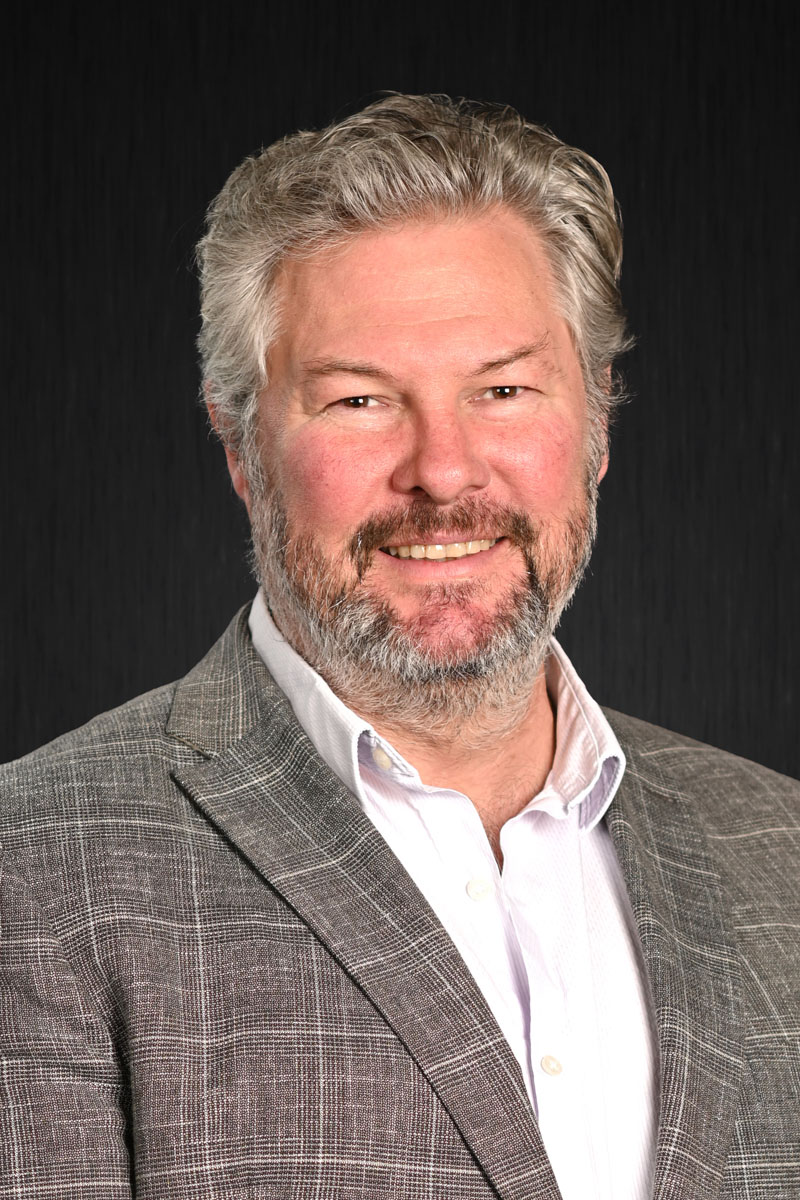
Prof. Andrew Dzurak is recognised internationally as a leader in the field of spin-based qubits – the building blocks of quantum computers. His scientific advancements are playing a pivotal role in the development of semiconductor quantum computing.
Over the past 25 years, he has driven major advances in the field, from developing new types of qubits, to creating technologies to build and test them, while achieving world-leading performance results.
Prof. Dzurak said he was focussed on making quantum computing practical and scalable.
“A career highlight was inventing and successfully demonstrating silicon ‘CMOS’ transistors into quantum bits,” Prof. Dzurak said. “This means quantum computer chips can be manufactured in the same way we make the silicon chips used in your phones and laptops. This gives us a practical pathway to large, commercial-scale quantum computing.”
In 2022, Prof. Dzurak founded UNSW spinout company Diraq to deliver utility-scale quantum computing using standard silicon chip manufacturing. Quantum computing is distinct from classical computing as it harnesses the power of minute quantum interactions to tackle large, complex problems. He believes this will have a powerful and transformative impact on the world.
Prof. Dzurak said he was deeply honoured to join the long tradition of Australian scientists and engineers elected to the AAC.

UNSW Dean of Engineering Professor Julien Epps said the election of Prof. Boyer and Prof. Dzurak as Fellows was a richly deserved recognition of their contributions to science and engineering.
“Cyrille’s leadership in polymer chemistry is creating new, environmentally friendly materials for a range of industries, while Andrew’s groundbreaking work has helped cement UNSW’s position as a global leader in quantum technologies,” Prof. Epps said.
“They are an inspiration to the next generation of researchers and innovators. Congratulations on this outstanding achievement.”
Advancing understanding of light, molecules and space chemistry
Prof. Timothy Schmidt is Head of the School of Chemistry at UNSW Science and a world-renowned physical chemist. He has made major breakthroughs in excitonic processes (how energy moves through materials after they absorb light), astrochemistry (the study of chemicals and molecules in space) and molecular electronic structure (how electrons behave inside molecules).
His research has led to world-leading advances in controlling the energy of light and molecules, including being the first to apply these discoveries to develop more efficient solar cells. He has also transformed understanding of molecules in space, particularly C₂, and helped us better understand the behaviour of highly unstable atoms and molecules through innovative ‘gas-phase’ spectroscopy.
Together, these discoveries have reshaped scientific understanding of molecular structure and reactivity across chemistry and physics.
Prof. Schmidt said a career highlight was discovering new ways the fundamental C₂ molecule can absorb and emit light. “It's responsible for the green colour of comets and the blue colour of flames. Even though it's just two atoms, it's extremely interesting,” he said.
He said it was a great honour to be elected a Fellow of the AAS and he looked forward to working with the academy to promote and enhance the standing of science in our society.
“I am grateful to all the mentors, collaborators and students who have worked with me,” he said. “Science is really fun!”

UNSW Dean of Science Professor Sven Rogge said Prof. Schmidt’s election as a Fellow of the AAS was a fitting recognition of his outstanding contributions to chemistry and photochemical research.
“Tim’s work has deepened our understanding of how molecules behave and interact, with important implications across energy, materials and environmental science,” Prof. Rogge said.