
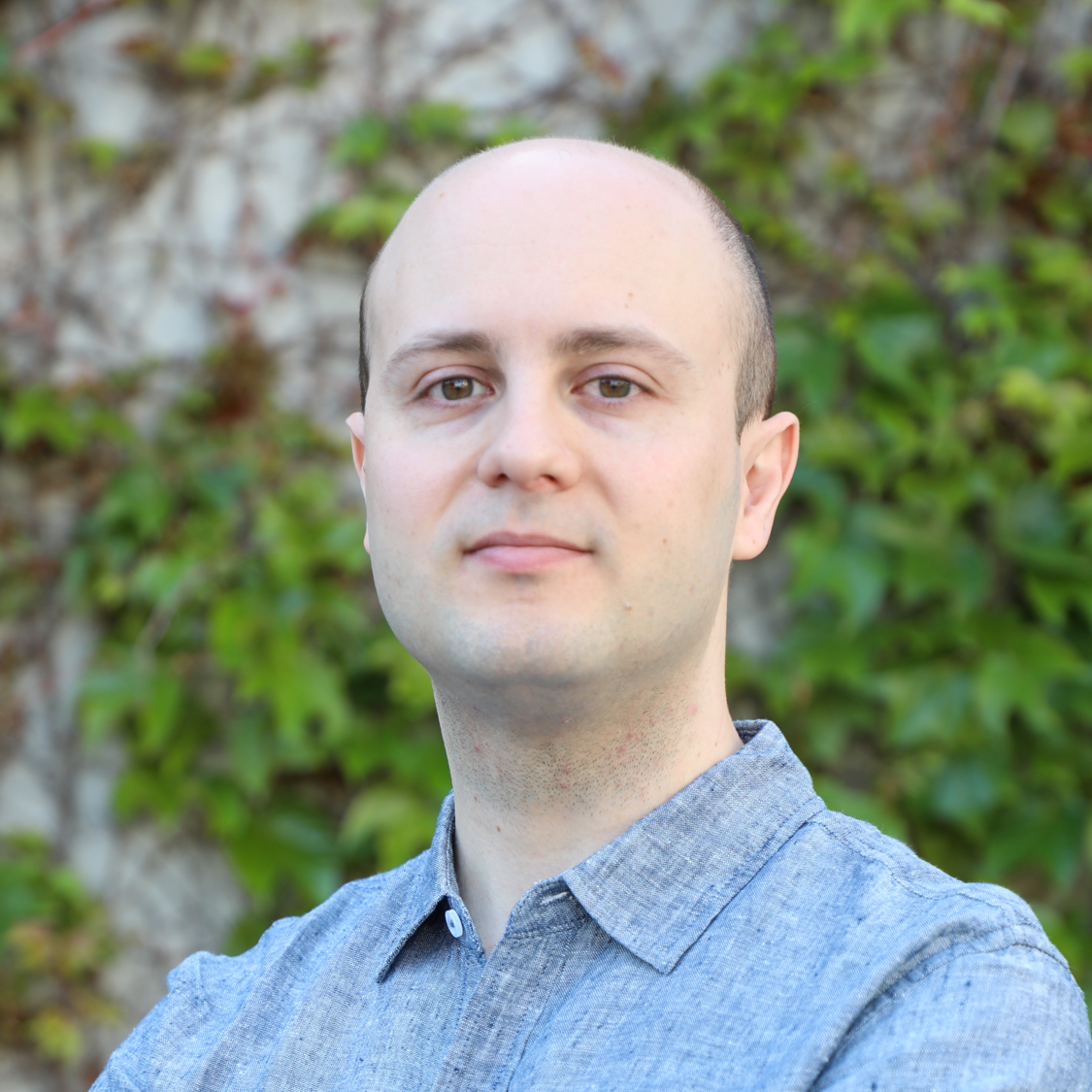
Dr Caio Vitor Beojone
Lecturer
- PhD in Civil and Environmental Engineering, École Polytechnique Fédérale de Lausanne (EPFL), Lausanne, Switzerland, 2018-2023
- MSc in Production Engineering, São Paulo State University (UNESP), Bauru, SP, Brazil, 2015-2017
- BSc in Production Engineering, São Paulo State University (UNESP), Bauru, SP, Brazil, 2010-2015
Engineering
Civil and Environmental Engineering
Dr. Caio Vitor Beojone is a Lecturer in the School of Civil and Environmental Engineering at the University of New South Wales (UNSW), Sydney, Australia, a member of the Research Centre for Integrated Transport Innovation (rCITI). Dr. Beojone's research is dedicated to making urban mobility more sustainable through the integration of shared mobility and autonomous vehicles in smart transportation systems that serve all in the urban space. His work tackles real-world challenges by developing innovative solutions — such as by combining multimodal large-scale network modeling with advanced control techniques and operations research. Dr. Beojone's interests span a broad range of topics in transportation, including:
- Shared mobility
- Large-scale transportation modeling
- Resilient and sustainable transportation
- Connected autonomous vehicles
- Smart transportation infrastructure
- Emergency medical services
- Location problems
E-mail
Location
Civil Engineering Building (H20) Level 1, Kensington Campus
- Publications
- Media
- Grants
- Awards
- Research Activities
- Engagement
- Teaching and Supervision
My main research activities are mostly in the intersection of shared mobility, emergency services, large-scale/network level traffic modelling. During the past several years, I have extensively worked on understanding the effects of ride-hailing services on traffic conditions and how to optimize their operations to mitigate their negative effects to the system and its users (passengers and drivers). Following is a list of my ongoing research activities:
- Modeling and optimization of ambulance operations
- Analytical frameworks for shared mobility models and optimization problems
- Large-scale modelling for connected transport modes
- Integration of connected and autonomous transport with the urban infrastructure
- Route modelling for shared mobility