
Real-World Evidence in Cancer Program
Leveraging real-world data to shape cancer outcomes and impact health policies.

What we do
The Real-World Evidence in Cancer Program uses population-based data to address important challenges in cancer care and policy, for example:
1. Evaluating real-world effectiveness, safety and patterns of cancer medicines use;
2. Optimising molecular testing and precision cancer care;
3. Generating evidence to inform health policy through incorporation of patient reported data.
We investigate treatment and outcomes across multiple cancer types, with specialised expertise in bowel, breast and ovarian cancers, and extend our work to other cancers where there are important evidence gaps in real-world practice.
Our multidisciplinary team brings expertise in pharmacoepidemiology/epidemiology and biostatistics in collaboration with people with lived experience of cancer, clinicians and policy makers. Our work is underpinned by unique linked data assets comprised of large-scale routinely collected health data, including cancer registries, medicines dispensing, hospital records and genomic data.
Our work aims to support evidence‑based policy, improve access to effective medicines, and ultimately enhance cancer outcomes at a population level.
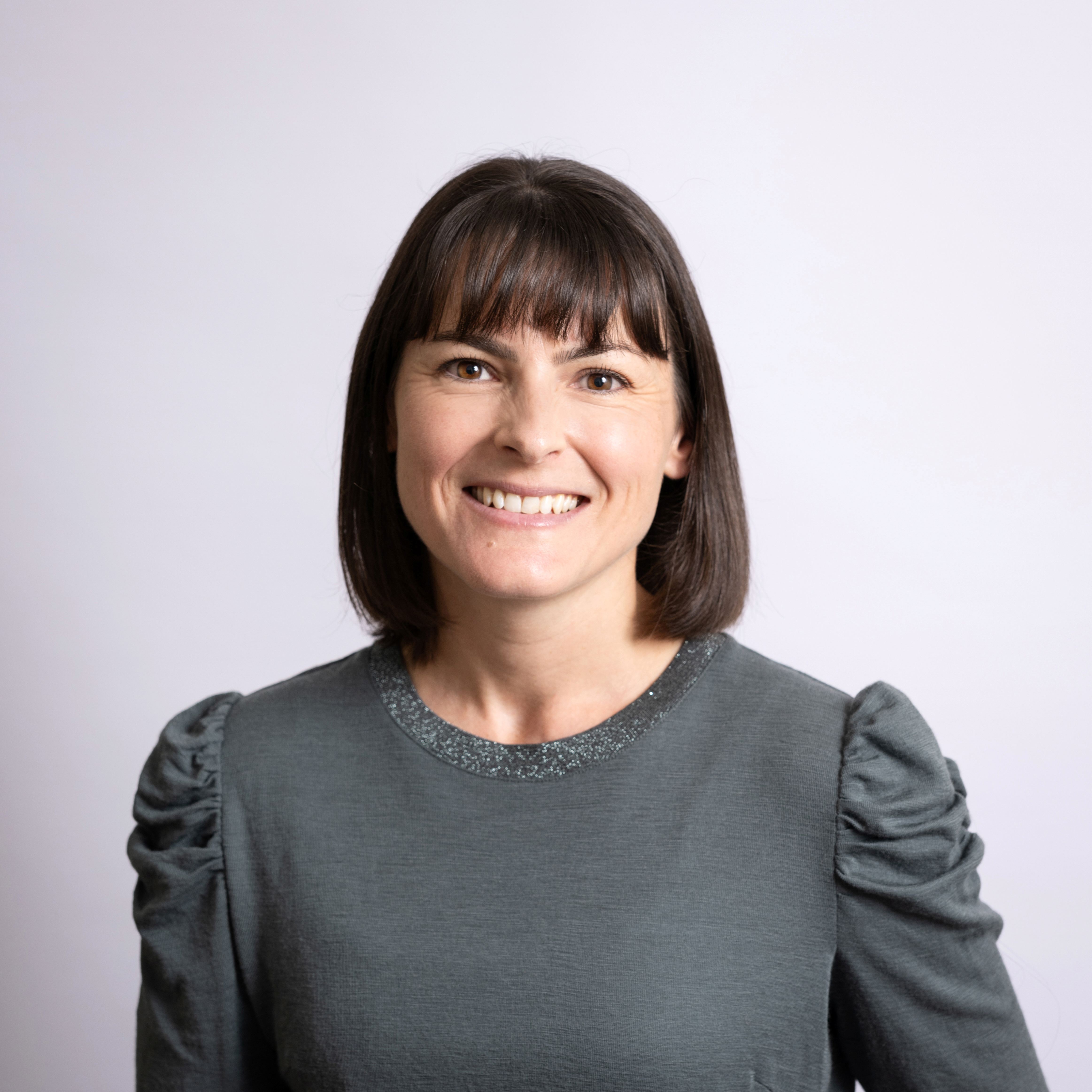
Our team



Collaborators and partners
- The University of Sydney
- Adelaide University
- The Garvan Institute of Medical Research
- Peter MacCallum Cancer Centre
- Advocates and consumers in Cancer Research

Jacinta Frawley Werger

Victoria Turner

Gill Stannard

Kristin Young

Current grants
1. Cancer Institute NSW
2. Medical Research Future Fund
3. National Health and Medical Research Council
4. Ovarian Cancer Research Alliance
Current projects
Our key current projects include:

Medicine use and outcomes for people with colorectal cancer
Most colorectal cancer (CRC) diagnoses occur in older adults—many of whom are taking multiple medicines to treat other comorbidities at the time of diagnosis. Patients with comorbidities and complex medicine profiles present challenges to the safe and effective delivery of cancer therapy. At the same time, Australia has the highest incidence of CRC in younger people (<50 years) in the world. Younger people with CRC often receive more intensive treatment but may not realise benefits from that treatment. Additionally, CRC treatments may have life-long impacts—such as increased risk of serious cardiovascular events—that can be exacerbated by multiple medicine use long after CRC treatment ends. This project investigates the treatment and outcomes of CRC in Australia.

EVEREST-C
EValuating long-term Effectiveness using Real world Evidence of highly Specialised Treatments – Cancer (EVEREST-C).
This program builds on global advances in the use of real-world data – reported directly from patients (e.g., patient reported outcomes [PROs]) or generated during routine clinical care – to generate knowledge that addresses evidence gaps in the real-world effectiveness of cancer medicines. By integrating these insights into the process of decision-making, EVEREST-C aims to strengthen health technology assessment (HTA) decision-making, ensuring it is both timely and grounded in the lived experience of patients.

Real-world genomic testing and treatment in ovarian cancer
Evaluating molecular testing and treatment in ovarian cancer: from real-world data to implementation support
This project aims to improve care and outcomes for people with ovarian cancer by studying how new tests and treatments are used in real life, and how well they work.
Aim 1 focuses on understanding how newly funded, targeted treatments (such as PARP inhibitors) are being used across the population. By analysing linked health data, the study will look at who receives these treatments, how long patients stay on them, and how they impact survival. This information will help guide doctors and policymakers to make better decisions about cancer treatment and funding.
Aim 2 looks at molecular testing, which is used to identify patients who may benefit from these newer therapies. The research will investigate why some test results are unclear and identify ways to improve how samples are collected and tested. The goal is to ensure all patients have the best chance of accessing appropriate treatments.
Across both aims, the project involves collaboration with clinical experts, use of large-scale health data, and input from consumer representatives.

Real-world use of medicines in biliary cancer
This PhD project aims to generate real-world evidence (RWE) to better understand patterns of care and patient outcomes in rare cancers, with a particular focus on biliary tract cancer (BTC). The research will begin with a comprehensive literature review, followed by a modified Delphi process to establish consensus-driven quality-of-care indicators for BTC, intended to inform clinical practice and health policy. Using linked healthcare and clinical datasets, the project will then examine real-world patterns of systemic treatment in BTC and assess these against the defined quality-of-care indicators. It will also quantify patient outcomes overall and in relation to the care received.
By identifying treatment pathways and gaps in care, this research will provide evidence to support improvements in clinical practice and guide future research. It is also intended to serve as a model for generating real-world evidence in other rare cancers.

Real-world risk-benefit balancing in cancer immunotherapy
Immunotherapies have improved the prognosis for many cancer patients but their benefits are tempered by immune-related adverse events. This project establishes the first Australian cohort of patients using immunotherapy in the real-world clinic and investigates how patient factors and prescribing patterns intersect and affect the health outcomes of patients using immunotherapy so that the benefits of these medicines can be maximised and the harms minimised.

Participation in the Opioid Cohort Consortium (NIH-funded)
This International consortium funded by the International Agency for Research on Cancer harmonizes data from 30 sources, including prospective cohort studies, cancer registries, medication dispensing or prescription records, and electronic health records across the North America, Europe, and Australia. Professor Sallie Pearson is the Australian lead.
Key publications
Real-world evidence for the postmarket surveillance of cancer medicines: opportunities and challenges using Australia’s population-based cancer registries

News, impact and media
-
What Matters, What’s Next: Co-Creating the Future of Ovarian Cancer Research
On 18 August 2026, seven ovarian cancer researchers and 4 consumer research partners came together at UNSW and the Prince of Wales Hospital campus for “What Matters, What’s Next: Co-Creating the Future of Ovarian Cancer Research”. This externally facilitated workshop created a space to share perspectives, identify common priorities and explore how researchers and people with lived experience can work together to shape future ovarian cancer research.
The workshop began with a “What Matters” session, where five key themes were presented from a lived experience perspective: prevention and early detection, the tumour ecosystem, immunotherapy, acquired resistance, and new therapies and clinical trials; providing a starting point for the discussion about what could be possible in future ovarian cancer research.
Then, participants were invited to imagine they had a “magic wand” and could shape what ovarian cancer research could look like in the future. Following a priority setting exercise, 'personalised treatment' received the most votes, reflecting particularly strong interest in this area, while new therapies and clinical trials generated the largest number of ideas. Two areas emerged as high priorities: resistance and recurrence, and collaboration. Participants discussed recurrence as an important clinical problem. They worked backwards from the outcome they wanted to achieve, considering how clinical trials, genomics and personalised medicine could help improve treatment, as well as what outputs would be needed, including real-world evidence to inform policy.
"We need to fight for what matters, and draw on our collective knowledge to get there."
Associate Professor Liz Caldon
The final part of the workshop focused on “What’s next” and how researchers and consumer research partners can work better together. Participants discussed what already works well, the challenges they face, and what could be improved. They highlighted the need to agree on roles and expectations early, keep people informed throughout a project, be clear about renumeration and recognition, and find ways to involve more consumers in research.
The workshop provided a clear foundation for future work, bringing together research priorities, lived experience and practical ideas for stronger collaboration. The next step is to build on these discussions and turn them into research opportunities that reflect what matters to people affected by ovarian cancer.
"The challenge now is to keep the momentum and turn it into something tangible."
Gill Stannard, consumer research partner.


