Health Precincts Biobank

Who we are
The Health Precincts Biobank holds a wide range of biospecimens and de-identified clinical data for use in ethically approved research studies. We collect biological samples from patients who have provided written consent and are receiving treatment at South Eastern Sydney Local Health District. Our catalogue includes specimens from more than 5,000 consented participants.
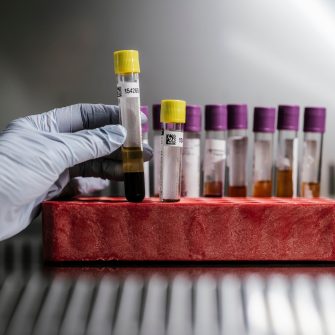
Commonly stored materials include: formalin-fixed, paraffin-embedded (FFPE) tissue blocks, plasma from blood samples, and fresh tissue for RNA/DNA extraction (when available).
We may also be able to collect bespoke/targeted cohorts of samples for your research project.
Services

'Ready-to-go' collection
We offer a curated selection of biospecimens that are already collected, annotated, and available for use in ethically approved research studies. These high-quality samples are linked with relevant clinical and demographic data, enabling researchers to accelerate their projects without the delay of new specimen collection.

'Targeted' collection
We can also obtain targeted, prospective biospecimen cohorts for specific research studies.
Our team ensures that all samples are gathered in compliance with regulatory standards for your research project. This includes clinical and demographic annotation.
Curated data
All data is provided in a de-identified format:
- Pathology reports
- Basic demographic data
- Clinical data from hospital records, including diagnosis, treatment, and outcome information
- Data from the Medicare Benefits Schedule and the Pharmaceutical Benefits Scheme
Fees
The Health Precincts Biobank operates on a cost recovery basis.
A quote is provided to all applicants before specimens are distributed. A guide to costs can be downloaded below.
Please contact us for more information and to request a quote.
How to access
- Browse our catalogue to find the sample you would like to use.
- Contact us to discuss the collection process and how we can support your research.
-
As patients have already consented to the use of their samples and data under the Health Precincts Biobank's ethical approval, researchers are only required to have ethics approval for their own study; all distributed specimens and data are deidentified, making most research projects low or negligible risk.
All researcher requests are subject to an application and an approval process through our Research Access Committee.
Please contact us for more information.
-
What specimens does the Health Precincts Biobank collect?
The Health Precincts Biobank collects biological specimens from any patients who have given written consent and who are undergoing treatment at Prince of Wales hospitals (public and private), St George hospitals (public and private), The Royal Hospital for Women and The Sutherland Hospital. Formerly a cancer biobank, the bulk of the current collection of specimens are from cancer cases. Typically, formaldehyde-fixed, paraffin-embedded (FFPE) blocks and plasma from peripheral blood samples are stored, as well as fresh tissue (for RNA/DNA extraction) when possible. A high-level search of specimens currently held by the biobank can be done through the online catalogue.What ethics approval is required to use specimens from the Health Precincts Biobanks?
As patients have already given their consent for their banked biospecimens and data to be used for research, only ethical approval for the researcher’s own project is required. All specimens and data distributed by the biobank are deidentified, therefore ethics approval to use these is usually low or negligible risk. However, all researchers should seek advice from their home institution Research Ethics office (or equivalent) to confirm their ethics approval is appropriate.What data is available with the specimens?
Typically, basic demographic data, clinical data from hospital records (including diagnosis and treatment details), and outcome data, are available for biospecimens. Data from patients’ Medicare Benefits Schedule (MBS) and Pharmaceutical Benefits Scheme (PBS) can also be made available. All data is supplied in a deidentified format.If the Health Precincts Biobank does not have the specimens I need, can they get hold of them for me?
If our existing “ready-to-go” collection doesn’t include samples suitable for your research, we may be able to source a targeted, prospective cohort of samples. These can be tailored for specific studies, with a portion also banked for future research use.We encourage you to contact the Health Precincts Biobank to discuss your project and explore available options.
If prospective collection isn’t feasible, researchers may consider establishing an investigator-led collection. Biospecimen Services can provide support throughout this process.What does the Health Precincts Biobank charge for their Specimens?
The Health Precincts Biobank operates on a cost-recovery basis. A quote is provided to all applicants before specimens are distributed. A guide to costs can be found here.I‘m a non-UNSW researcher can I still access specimens from the Health Precincts Biobank?
Yes, all researchers in Australia with HREC approval for their study can request specimens through the Health Precincts Biobank.
For researchers
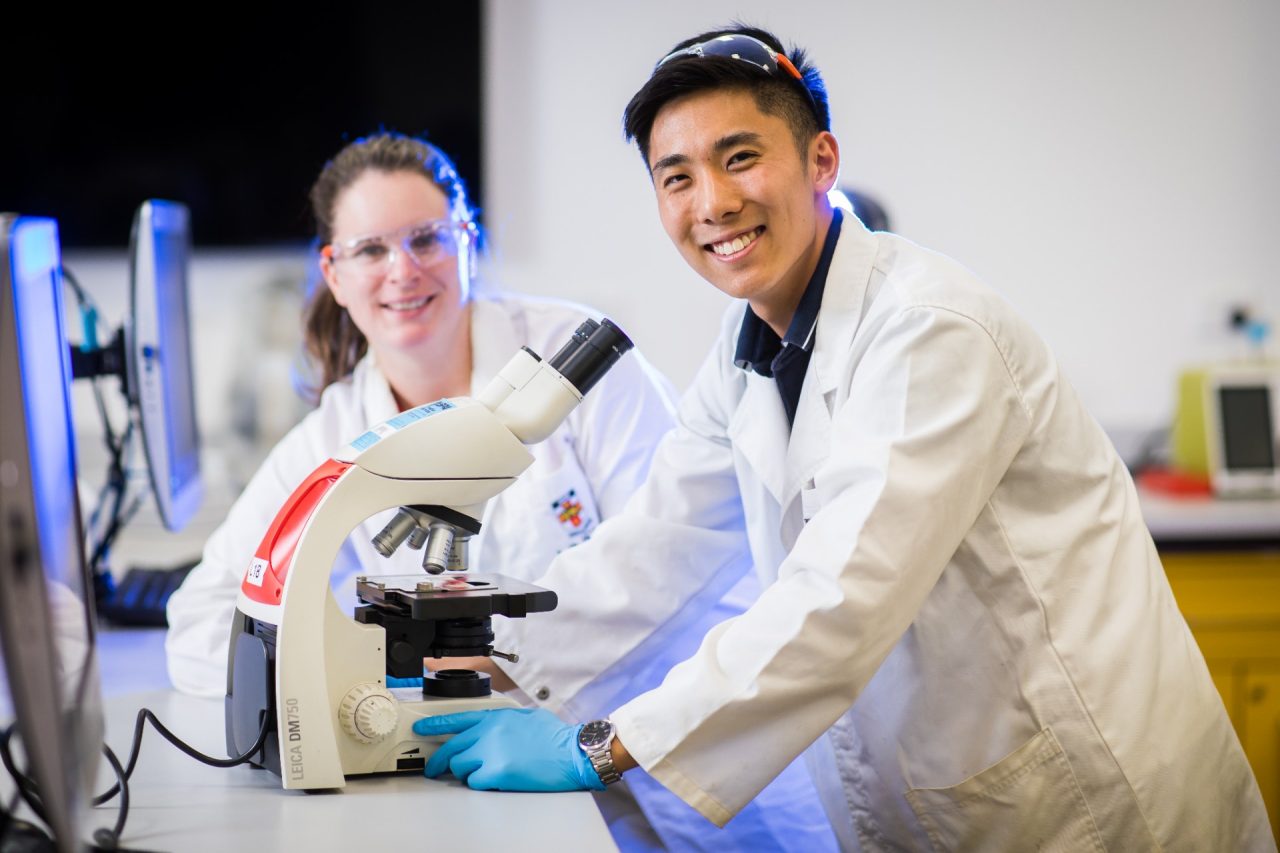
The Health Precincts Biobank collects a wide range of specimens for use in ethically approved research studies. It holds more than 20,000 specimens from over 5,000 consented participants, along with associated de-identified data to support research needs.
We assist researchers with:
- Collection of biospecimen samples prospectively to support your specific research projects
- Ethics submissions
- Grant application costings related to biospecimens
Resources
-
Biospecimen Services has Standard Operating Procedures (SOPs) in place to ensure that specimens are handled and processed consistently within each Collection Protocol while maintaining a high standard of specimen provenance.
-
-
Kang EY, Millstein J, Popovic G. et al. MCM3 is a novel proliferation marker associated with longer survival for patients with tubo-ovarian high-grade serous carcinoma. Virchows Arch (2021) 480(4): 855-871. PMID: 34782936
Liu D, Enriquez L & Ford CE. ROR2 Is Epigenetically Regulated in Endometrial Cancer. Cancers (2021) 13(3): 383. PMID: 33494187
Quinn CM, Porwal M, Meagher NS, Hettiaratchi A, Power C, Jonnaggadala J, McCullough S, Macmillan S, Tang K, Liauw W, Goldstein D, Zeps N & Crowe PJ. Moving with the Times: The Health Science Alliance (HSA) Biobank Pathway to Sustainability. Biomarker Insights (2021), 16: 1-10. PMID: 35173407
Xu X, Wang Y, Bryce N, Tang K, Meagher NS, Kang EY, Kelemen LE, Köbel M, Ramus SJ, Friedlander M, Ford CE, Hardeman EC & Gunning PW. Targeting the actin/tropomyosin cytoskeleton in epithelial ovarian cancer reveals multiple mechanisms of synergy with anti-microtubule agents. Br J Cancer (2021) 125(2): 265-276. PMID: 33981016
Sharbeen G, McCarroll J, Akerman A, Kopecky C, Youkhana J, Holst J, Boyer C, Erkan M, Goldstein D, Timpson P, Cox T, Pereira B, Chitty J, Fey S, Najumudeen A, Campbell A, Sansom O, Ignacio R, Naim S, Liu J, Russia N, Lee J, Chou A, Johns A, Gill A, Gonzales-Aloy E, Kokkinos J, Gebski V, Turner N, Apte M, Davis T, Morton J, Haghighi K, Australian Pancreatic Cancer Genome Initiative, Phillips P. Cancer-associated fibroblasts in pancreatic ductal adenocarcinoma determine response to SLC7A11 inhibition. Cancer Research (2021) 81(3): 3461-3479. PMID: 33980655
Kokkinos J, Sharbeen G, Haghighi KS, Ignacio RMC, Kopecky C, Gonzales-Aloy E, Youkhana J, Timpson P, Pereira BA, Ritchie S, Pandzic E, Boyer C, Davis TP, Butler LM, Goldstein D, McCarroll JA & Phillips PA. Ex vivo culture of intact human patient derived pancreatic tumour tissue. Scientific Reports (2021), 11, 1944. PMID: 33479301
Yao J, Zhu X, Jonnagaddala J, Hawkins N & Huang J. Whole slide images-based cancer survival prediction using attention guided deep multiple instance learning networks. Medical Image Analysis (2020), 65. PMID: 32739769
Udugama M, Sanij E, Voon HPJ, Son J, Hii L, Henson JD, Chan FL, Chang FTM, Liu Y, Pearson RB, Kalitsis P, Mann JR, Collas P, Hannan RD & Wong LH. Ribosomal DNA copy loss and repeat instability in ATRX-mutated cancers. Proceedings of the National Academy of Sciences (2018), 115 (18) 4737-4742; PMID: 29669917
Henry CE, Llamosas E, Daniels B, Coopes A, Tang K, Ford CE. ROR1 and ROR2 play distinct and opposing roles in endometrial cancer. Gynecologic Oncology (2018), 148(3):576-584. PMID: 29395309
-
Brief project title Researcher institution The role of ROR1 and ROR2 in endometrial cancer UNSW Sydney The immune response to myelodysplastic syndrome UNSW Sydney Epigenetic biomarkers in breast cancer patient plasma Garvan Institute of Medical Research Autophagy in gastric carcinogenesis UNSW Sydney Developing a liquid biopsy for multiple myeloma UTS Investigating novel therapeutic targets and approaches in preclinical models of pancreatic cancer UNSW Sydney Investigating blood biomarkers for pancreatic cancer University of Newcastle Identification and characterization of biomarkers in endometrial cancer University of Newcastle Investigating mucinous tumours of the ovary and gastrointestinal tract UNSW Sydney Identifying cell type specific gene regulatory mechanisms in soft-tissue sarcomas UNSW Sydney Investigating obesity-related endometrial cancer UNSW Sydney Identifying a biomarker in osteosarcoma UNSW Sydney
For participants
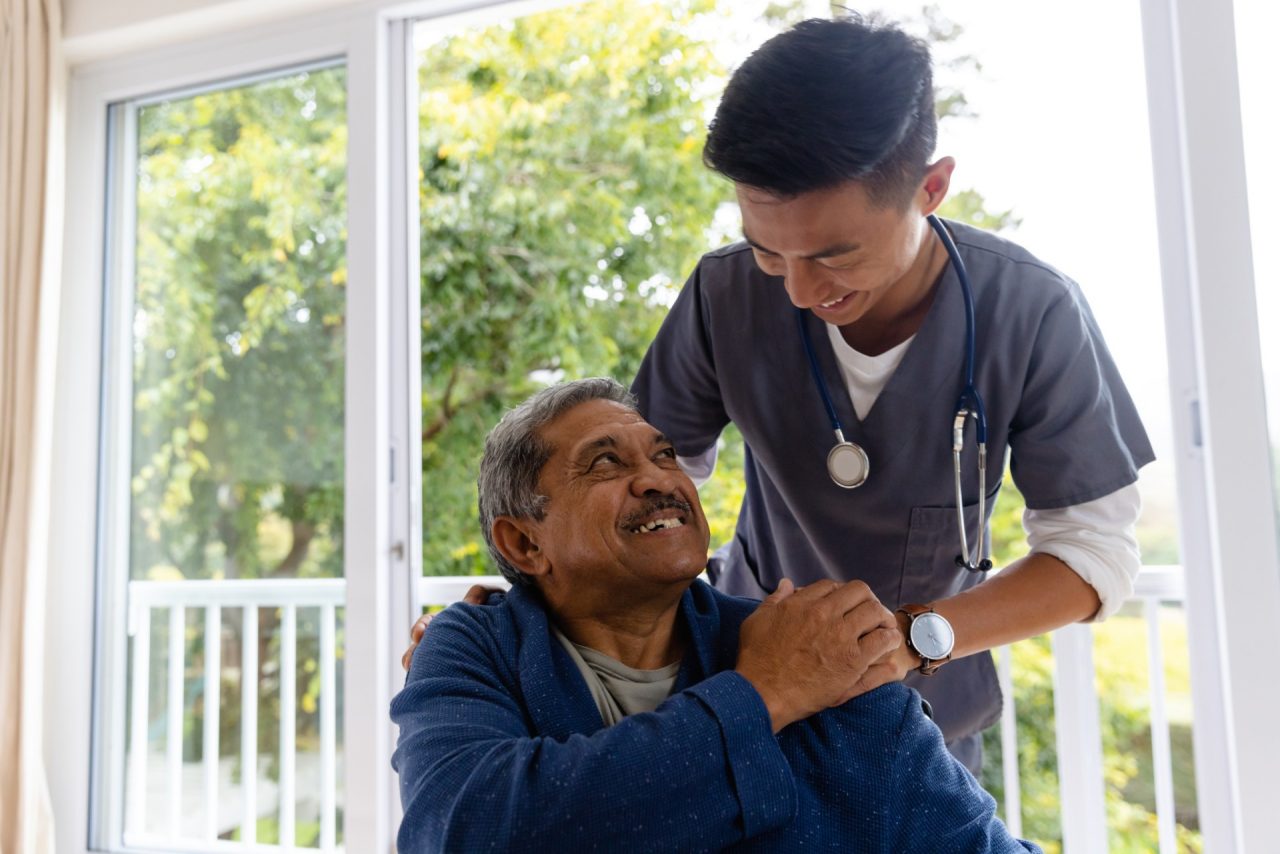
The Health Precincts Biobank is a collaborative initiative between UNSW Sydney, the South Eastern Sydney Local Health District (SESLHD), and NSW Health Pathology, that securely collects and stores biological samples such as blood, saliva, tissue, and urine from patients receiving care at several hospitals in Sydney. These samples, along with de-identified health information, are used to support ethically approved medical research and education. Participation is voluntary and integrated into routine care, with samples collected during standard procedures. All personal identifiers are removed to ensure privacy, and participants can withdraw at any time.
By contributing to the Biobank, patients help researchers develop better treatments, improve early detection, and understand how diseases affect different people; this research plays a vital role in advancing medical knowledge and improving healthcare outcomes across the community.
Frequently asked questions
-
The Health Precincts Biobank is a collaborative initiative between UNSW Sydney, the South Eastern Sydney Local Health District (SESLHD), and NSW Health Pathology, that securely collects and stores biological samples such as blood, saliva, tissue, and urine from patients receiving care at several hospitals in Sydney. These samples, along with de-identified health information, are used to support ethically approved medical research and education. Participation is voluntary and integrated into routine care, with samples collected during standard procedures. All personal identifiers are removed to ensure privacy, and participants can withdraw at any time.
By contributing to the Biobank, patients help researchers develop better treatments, improve early detection, and understand how diseases affect different people; this research plays a vital role in advancing medical knowledge and improving healthcare outcomes across the community.
-
Participation in all aspects of the Health Precincts Biobank is voluntary. You can say no to participation, and if you choose to participate you can withdraw your consent at any time if you change your mind. If you withdraw your consent, your samples and personal health information held by the Health Precincts Biobank will be destroyed. It will not be possible to remove materials from the Health Precincts Biobank that have already been used for research.
Choosing not to consent to the Health Precincts Biobank will not have any impact on your current and future medical treatment or your dealings with Medicare Australia.
If you wish to withdraw your samples and data from the Health Precincts Biobank please contact us by email HealthPrecinctsBiobank@unsw.edu.au or phone (02) 9065 5665
-
People being investigated for a range of health issues at the Prince of Wales Hospital, Royal Hospital for Women, Prince of Wales Private Hospital, St George Hospital, St George Private Hospital and the Sutherland Hospital may be offered the opportunity to consent to the Health Precincts Biobank.
One or more of the following biological specimens will be collected from patients who provide written consent: tissue, blood, urine, fluid, saliva and/or mouth swab samples, along with accompanying personal and health information including non-identifiable scans.
To be eligible to participate, you must be 15 years or older, and attending a participating hospital. You will be required to understand and sign a consent form or have a guardian/carer sign it on your behalf.
-
Participation in the Health Precincts Biobank is incorporated into your routine medical care. For example, if you consent you may also be asked to provide a blood sample that can be collected during a routine blood test. If you are not due a blood test, you may be asked to provide a saliva sample or a small swab from inside your cheek. In some cases, urine and fluid samples are also collected. Once your procedure and diagnosis are completed, a pathologist will be able to reserve a small sample of any tissue not required for diagnosis to be stored in the Health Precincts Biobank.
-
Medicare and PBS records provide helpful information about visits to health professionals, tests, and prescription medicines. This information is not always available through hospital records. This allows researchers to answer important questions about use of treatments and health services in the community, and to contribute to better patient care.
You can choose not to give the Health Precincts Biobank access to these records. This will not impact your medical care, your dealings with Medicare Australia, or your ability to donate tissue to the biobank.
-
Research is never conducted using information that names individuals. Your samples and data will be given a unique code and your name and other identifying information will be removed to ensure your privacy is maintained.
-
Once you have consented to the Health Precincts Biobank, you will not usually be contacted again and your signed consent form or a record of your participation is kept securely. If you are approached in the future to consent to the Health Precincts Biobank, simply tell your doctor or nurse that you have already consented. There is no problem with re-consenting to the Health Precincts Biobank at a later date.
-
The Health Precincts Biobank consent form will ask whether you give permission for access to extra information about your medical history such as your hospital medical records, and other health data collections of your past and future health. This information, paired with your samples will be deidentified prior to distribution to help researchers answer a wide range of research questions.
-
The samples and data in the Health Precincts Biobank can be kept indefinitely or until requested for ethically approved research.
-
Your samples and data will be stored within Biospecimen Services at UNSW Sydney. Your name and identifying information will be removed to protect your privacy when samples and/or data are given to researchers.
Samples and data will be used for research and education purposes. Only researchers with projects that have been approved by a Human Research Ethics Committee can apply to access these samples and data.
Research will examine causes of disease, prevention, diagnosis, treatment and genetics. Education will involve teaching medical, science and nursing students.
Our people


Contact us
Health Precincts Biobank
Lowy Cancer Research Centre (C25)
UNSW Sydney, NSW 2033
Phone: 02 9065 5665
Biobank email: HealthPrecinctsBiobank@unsw.edu.au
We like to hear from you. If you have questions, requests or ideas for collaboration, please complete the contact form and we will be in touch within five business days.
Get in touch about your project
We offer a range of services that can be tailored to your needs. Please send us an enquiry to get started.