
Injury Prevention and Trauma Care Research Group

Injuries, violence (including domestic violence) and trauma represent a major, yet preventable form of mortality, morbidity and health system burden in Australia and globally. Our research and advocacy aims to identify priority population groups, their risk factors and develop interventions in partnership with governments, organisations and the community. We partner with Aboriginal and Torres Strait Islander, culturally diverse communities spanning rural areas, urban environments and countries in the region. Our co-design approach to intervention development ensures we work with those impacted by violence for a tailored approach that is fit for purpose.
Our approach
Our expertise and networks span all areas of injury, violence, domestic violence and trauma. Our team brings together expertise from diverse backgrounds and skill sets including epidemiology, data-linkage, text mining, disaster preparedness, policy, advocacy, implementation science and co-design. We work with partners and communities to develop systems-level, culturally safe interventions and reduce inequity.
Comprising world-leading researchers and advocates, we deliver research excellence with real-world impact across all facets of injury, violence and trauma. This includes science communication expertise and active partnerships within and outside of academia to implement effective interventions. We work with government, industry and other stakeholders to translate our research into tangible policy outcomes, education and training solutions, leadership in high profile forums, and practical tools to assist decision and policymakers.
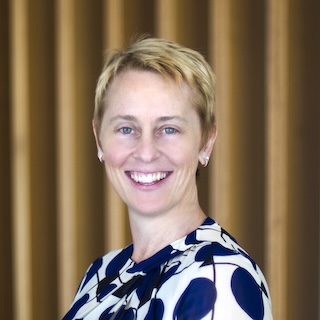
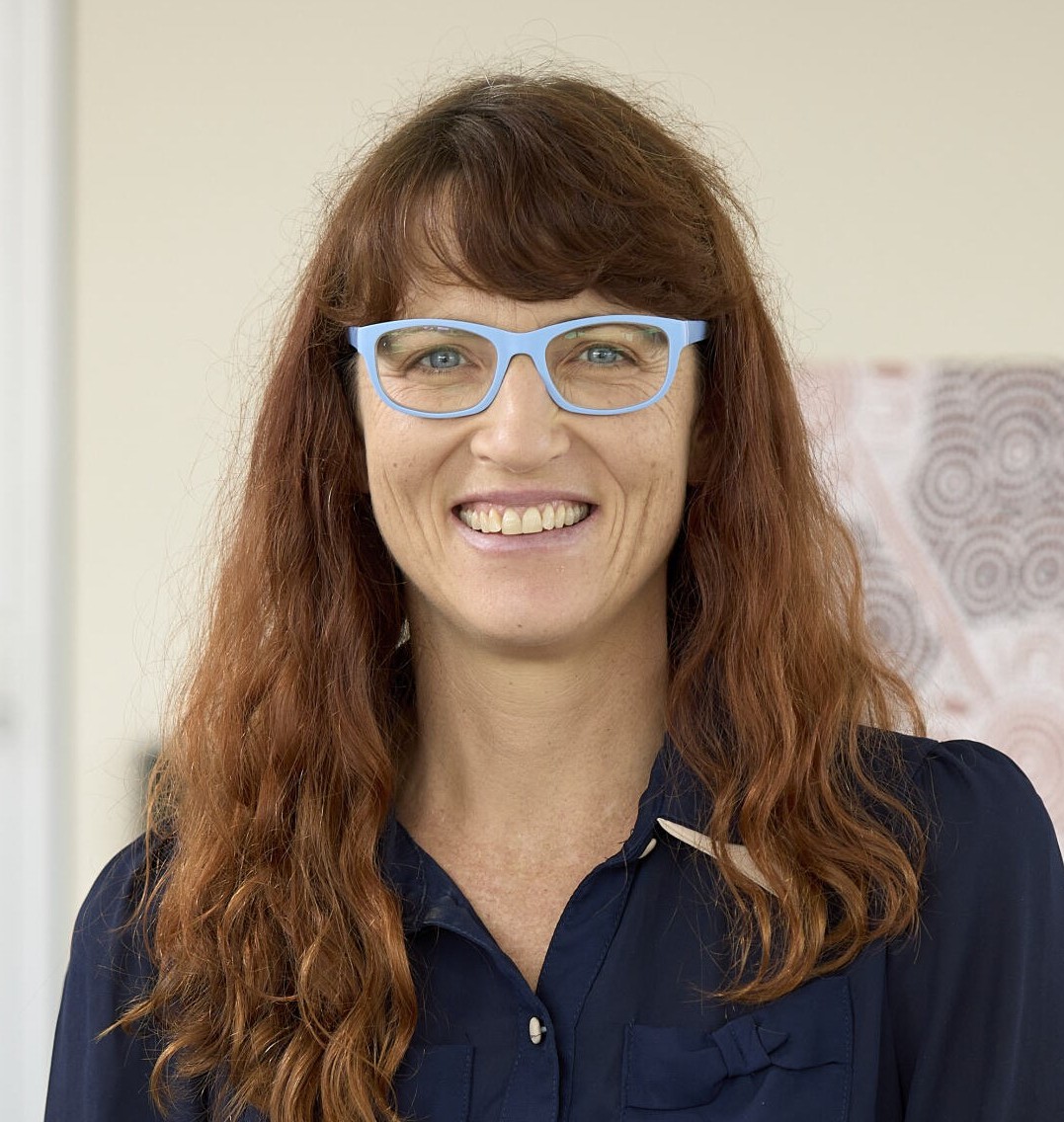
Our people
-
PhD candidates

Eli McGuire
-
I am a proud Gomeroi women, currently completing a PhD with UNSW, School of Population Health. I have extensive experience working with Aboriginal families and communities in the field of Aboriginal baby, child and youth wellbeing. I have worked in numerous health and human service roles, most recently as an Aboriginal Health Worker. Through my research I am committed to self-determination, capacity building and using a youth led, strengths-based approach to support improved outcomes for Aboriginal young people.

Ayushi Singh
-
I am a PhD candidate in Public Health and Community Medicine at the University of New South Wales, with a strong focus on health equity and population health outcomes. My research explores how socioeconomic, geographic, and cultural factors influence access to care and health outcomes among older and vulnerable populations with hip fracture.
I hold an M.Phil. in Public Health from the Tata Institute of Social Sciences and an MSc in Statistics from Banaras Hindu University, India, which have provided me with a strong foundation in epidemiology and advanced quantitative research methods.
I have contributed to public health research at both national and international levels, including roles at the International Institute for Population Sciences and the Ministry of Health and Family Welfare. I have also published peer-reviewed research and presented my work at leading conferences, reflecting my commitment to evidence-based and policy-relevant research.
With expertise in statistical analysis and large-scale health data, I aim to generate impactful research that contributes to more equitable healthcare systems.

Siobhan Connolly
-
I have been working in burns for 27 years, beginning my career as a burns nurse and now leading education and prevention initiatives.
I hold a Bachelor of Nursing and a Master of Nursing Science (Burns Nursing). I am currently a PhD candidate at UNSW, where my research focuses on burns models of care and health systems.
I am the Chair of the Burn Prevention Committees for both the Australian and New Zealand Burn Association (ANZBA) and the NSW Statewide Burn Injury Service (SBIS), leading collaborative efforts to advance burn prevention policy, education, and practice.

Zoe King
-
I am a Research Assistant and a PhD candidate in Public Health and Community Medicine at UNSW. My doctoral work focuses on co-designing a peer navigation intervention for people who have experienced domestic, family, and sexual violence. I recently moved back to Australia after studying at Stanford University and Duke University, with research experience in health equity, incarceration, and reproductive justice.

Leanne McCarthy
-
I am a proud Wiradjuri woman with over 25 years of experience in various health roles, including positions across NSW Health. I am an Aboriginal Population Health Trainee graduate and hold a Master of Public health degree. I have significantly contributed to public and population health projects, including my role as a Manager of Healthy People and Research at the Nepean Blue Mountains Local Health District. Previously, I served as a Senior Project Officer at the University of New South Wales, focusing on the Ironbark Standing Strong and tall falls prevention program for older Aboriginal people. Currently, I am a PhD candidate, conducting research on falls and hip fracture prevention for older Aboriginal people in NSW.

Fatemeh Abdi
-
I am a podiatrist with over a decade of clinical experience and a PhD candidate in public health at UNSW, focusing on falls prevention in culturally and linguistically diverse communities. My clinical expertise in injury management informs my research into the cultural, social, and systemic factors that influence health outcomes across diverse populations.
My work addresses key issues in healthcare equity, with a focus on improving the accessibility and effectiveness of preventive health strategies for diverse communities.

Nellie Pollard-Warton
-
I am a Kooma woman, Lecturer and Indigenous scholar in the School of Population Health. My background is in social work, and my academic focus centres on Indigenous knowledges, narrative, and power within settler‑colonial institutions.
My scholarship to date has focused on Indigenous voices shaping public health approaches to preventing unintentional injuries and program design. I am particularly interested in using my skills as a public health researcher to drive community-based research assisting in the design of initiatives and programs by community for community. My research is grounded in Indigenous epistemologies and critical Indigenous methodologies, drawing on narrative, reflexive, and relational approaches to challenge dominant knowledge systems.
I actively contributes to Indigenous‑led research and governance through my involvement in faculty‑based sovereign and research working groups. My academic practice is underpinned by a strong commitment to Indigenous self‑determination, ethical research relationships, and culturally safe pedagogies that disrupt deficit‑based framings and centre community accountability.
-






Our research expertise
-
This research program consists of various projects which focus on injury prevention and healthy ageing throughout the lifespan of Aboriginal and Torres Strait Islander people. Rates of injury mortality and hospital admission due to injury are substantially higher for Aboriginal and Torres Strait Islander people than for the rest of the Australian population. We acknowledge that injury prevention is a critical health issue that requires culturally safe policies, resources and best practice research. We work with communities to look at early indicators of ill health and injury prevention methods, whilst also working with older Aboriginal people on increasing health and wellbeing in a community setting.
-
Drowning is a persistent, yet preventable cause of premature mortality and morbidity in Australia, the Western Pacific region and the world. Although global estimates of drowning show declining rates, burden remains elevated among young children, males and older people. In Australia, drowning deaths are at record highs, highlighting the need for innovative research to inform effective policy and practice.
The Injury Prevention and Trauma Research Group at UNSW is a leader in drowning prevention research. Our work focuses on improving global estimates of drowning, risk factor identification, drowning prevention intervention design, informing strategy and evaluating policy and practice. In conducting our research we use a range of methods including epidemiological analysis of both fatal and non-fatal drowning, qualitative methods, linked data studies, policy and program evaluation and co-design. Internationally we work closely with the World Health Organization, aligning efforts to the Global Strategy for Drowning Prevention. Domestically, we work closely with leading drowning prevention organisations Royal Life Saving Australia and Surf Life Saving Australia, as well as other non-government and sporting organisations, government departments, policy makers and practitioners, ensuring our work is aligned to the goals of the Australian Water Safety Strategy.
Our current research includes:
- Quantifying non-fatal drowning burden in New South Wales including pathways of care and health outcomes.
- Evaluating government policies including funded learn to swim schemes for priority populations.
- Examining implementation science approaches to drowning prevention intervention implementation
- Uncovering the impacts of climate change on coastal drowning
- Identifying best approaches to teach rip current identification
- Optimising guidance on public rescue equipment for organisations and the public
The Injury Prevention and Trauma Research Group is recognised for its evaluation and strategy work in drowning prevention. Recently completed projects include: an evaluation of the NSW Government Office of Sport’s First Lap Voucher scheme, subsidising swimming lessons for young children; strategy development for coastal and inland water safety for NSW National Parks and Wildlife Service and examining impacts of the Transition 2 Masters Program, run by Masters Swimming Australia, to improve swimming and water safety skills and participation among adults and older people.
Understanding supervision lapses in child drowning
UNSW School of Population Health injury prevention expert, Dr Amy Peden, in collaboration with Royal Life Saving Society – Australia, and James Cook University, examined 447 cases of fatal unintentional drowning among children under five between 2002 and 2017. Contrary to population belief, the research showed that indoor and outdoor household duties, as well as talking and socialising, are the most common distractions that lead to lapses in supervision that result in child drowning. Only one in 11 cases were due to electronic distractions, such as mobile phones, compared to household chores which were far more prevalent.

-
Falls are the leading cause of injury hospitalisations in Australia, and they cost the health system more than $5 billion annually. Most falls occur in older adults and are likely to result in fractures and other injuries to the head, neck, and hip.
The Injury Prevention and Trauma Research Group at UNSW reduces the impact of falls and fractures by generating world‑class research and translating it into practical solutions to keep people stronger and independent into older age. Our team brings together clinicians, researchers, and community partners, in Australia and globally, to understand why falls occur, how injuries can be prevented, and co-design interventions to make a difference in real‑world settings. We collaborate with health services, aged‑care providers, policymakers and community organisations to translate proven strategies into everyday care.
By combining research excellence with real‑world application, every project we undertake aims to create new knowledge or to implement research evidence to reduce injuries, hospitalisations and loss of independence. In this way, we help to create safer environments, healthier ageing and stronger communities and health systems.
-
Injury is one of the largest and most preventable contributors to Australia’s burden of disease, costing the health system more than $11 billion a year. Yet much of the information needed to prevent it is missing. Around one in five emergency department presentations is injury-related, but the data routinely collected rarely capture how and why an injury occurred, limiting our ability to measure causes, monitor trends across populations, and intervene early. Strong, consistent and timely data are the foundation of effective injury prevention, and building that evidence base is central to what we do.
The Injury Prevention and Trauma Research Group at UNSW has deep expertise in injury epidemiology, surveillance and health data science, with a particular focus on turning routinely collected health data into actionable intelligence for prevention, policy and practice. Our work spans the full data pipeline from classification and coding standards through to advanced analytics, natural language processing and machine learning, and is grounded in real-world health system settings, with careful attention to governance, data quality and translation. We work in close partnership with government agencies, national data custodians, clinicians and communities to ensure our research is methodologically rigorous, operationally feasible, and used.
Our current research includes:
- National injury surveillance, including the development of coordinated emergency department surveillance capability that derives external cause, intent and context of injury from routinely collected clinical data
- Application of ICD-11 coding, natural language processing and machine learning to large-scale and linked health datasets, supported by human-in-the-loop validation
- Linked data analyses to identify priority harms such as family and domestic violence, self-harm, product-related injury and workplace injury
- Health services research and evaluation, including models of care that improve access and equity for rural, regional and remote populations
- Translation of injury evidence into national data standards, safety regulation and policy
A flagship of this work is NISAR-ED (National Injury Surveillance for Actionable Research – Emergency Department), a national data infrastructure initiative led by UNSW and funded through the Medical Research Future Fund, delivered in partnership with the Australian Institute of Health and Welfare (AIHW), the Australian Competition and Consumer Commission (ACCC), the Australasian College of Emergency Medicine (ACEM) and other collaborators. NISAR-ED is building Australia’s first coordinated Emergency Department (ED) injury surveillance system, processing structured and unstructured ED data securely within each jurisdiction to generate nationally consistent, ICD-11–coded injury intelligence. This will support earlier identification of emerging risks to inform better-targeted prevention. We also contributes to health services research such as PACE-RURAL, improving access to allied health telehealth care for people with chronic musculoskeletal conditions in rural and remote Australia.
Crucially, our research does more than describe injury — it shapes the rules designed to prevent it. Members of our group serve as the injury epidemiologist on several Standards Australia technical committees, which develop and maintain the Australian, Australian–New Zealand and international safety standards that are referenced in legislation, regulation and industry codes of practice. This work extends to national and international bodies including the Australian Cross-Jurisdictional Injury Surveillance Working Group and an international technical working group — convened with the ACCC, the OECD and product-safety regulators in the UK, Canada and the United States — examining how to measure the cost of unsafe products and the net benefit of regulation. Together, these roles ensure that the evidence we generate is translated directly into safer systems, products and environments.
This breadth spans epidemiology, data science, implementation and policy, and is supported by a growing team and strong government and industry partnerships, making our work a rich training ground for a rich training ground for research students at all levels — from Honours and Master's through to PhD. Student projects feed directly into our program of work: for example, a Master of Science (Health Data Science) student is currently quantifying the information content of Emergency Department records for injury surveillance, analysing the completeness and detectability of key injury attributes such as mechanism, intent and location in free-text clinical notes, and developing a practical “data readiness framework” to guide the implementation of systems such as NISAR-ED. The findings of this student’s work will be delivered back to NT Health.
Opportunities for students
We supervise research students at all levels — Honours, Master's and PhD — on projects that turn real health data into prevention. Projects typically draw on skills such as Python or R, natural language processing and machine learning, linked-data analysis, and ICD-11 injury coding applied to live surveillance problems with genuine policy and government impact. We welcome enquiries from prospective students and collaborators interested in injury surveillance, health data science, and the translation of data into prevention.
-
Despite decades of progress in road safety, road transport crashes remain a leading cause of death, serious injury, and disability in Australia and many countries worldwide. Recent increases in road deaths highlight the need for new evidence to support prevention strategies to meet road safety targets.
The Injury Prevention and Trauma Research Group at UNSW has a strong track record in road safety research with a particular focus on equity. Our research focuses on the social determinants of road trauma and the factors that contribute to inequalities in crash risk, serious injury, and death. Our work uses a range of epidemiological, qualitative, and mixed-methods research approaches, including longitudinal cohort studies, linked crash and health data analyses, policy evaluations, and co-designed research with communities and stakeholders. We work closely with government agencies, policy makers, and communities to ensure research is relevant and contributes to road safety policy and practice.
Our current research includes:
- Road safety equity and priority populations, including regional and remote communities, Aboriginal and Torres Strait Islander peoples, young drivers, and socioeconomically disadvantaged populations
- Changing transport systems and vehicle safety, including emerging transport modes such as e-bikes and micromobility and changing vehicle fleets
- Road safety policy evaluation
The Injury Prevention and Trauma Research Group is internationally recognised for its young driver research through the DRIVE Study, one of the world's largest longitudinal studies of novice drivers. Following more than 20,000 young drivers for over 13 years, DRIVE has generated important evidence on the long-term impacts of socioeconomic disadvantage, risky driving behaviour, mental health, supervision, vehicle access, and cultural background on crash risk. This work has demonstrated that many road safety inequalities persist well into adulthood, highlighting the importance of adopting a life-course approach that addresses the broader social determinants of road trauma. The group has also contributed to research and programs that improve licensing access and road safety outcomes for Aboriginal and Torres Strait Islander communities. This includes Driving Change, which works in partnership with communities to address barriers to driver licensing and transport access.
-
The research program focuses on strengthening how health and social systems prevent and respond to violence, abuse and early life adversity. It brings research and practice together to embed trauma- and violence-informed care in the everyday work of health, education and community services.
Using implementation science, co-design, cohort studies and intervention trials, the research develops and tests approaches that build evidence for prevention, early intervention, and recovery models of care. More recently, the work has focused on supporting organisations to build supportive cultures through workforce development, peer-support and peer-led initiatives, and approaches that promote collective care for safer, more inclusive workplaces and communities.
Co-designing Australia’s first trauma recovery centre
Women’s health and trauma expert, Dr Patricia Cullen from the School of Population Health, led the co-design research with women with lived expertise as well as professional experts, to shape a new model of care for women experiencing trauma from domestic, family and sexual violence, which underpins the new centre.


Our projects


Study injury prevention and trauma care

Policy briefs


More about us
More about us coming soon!