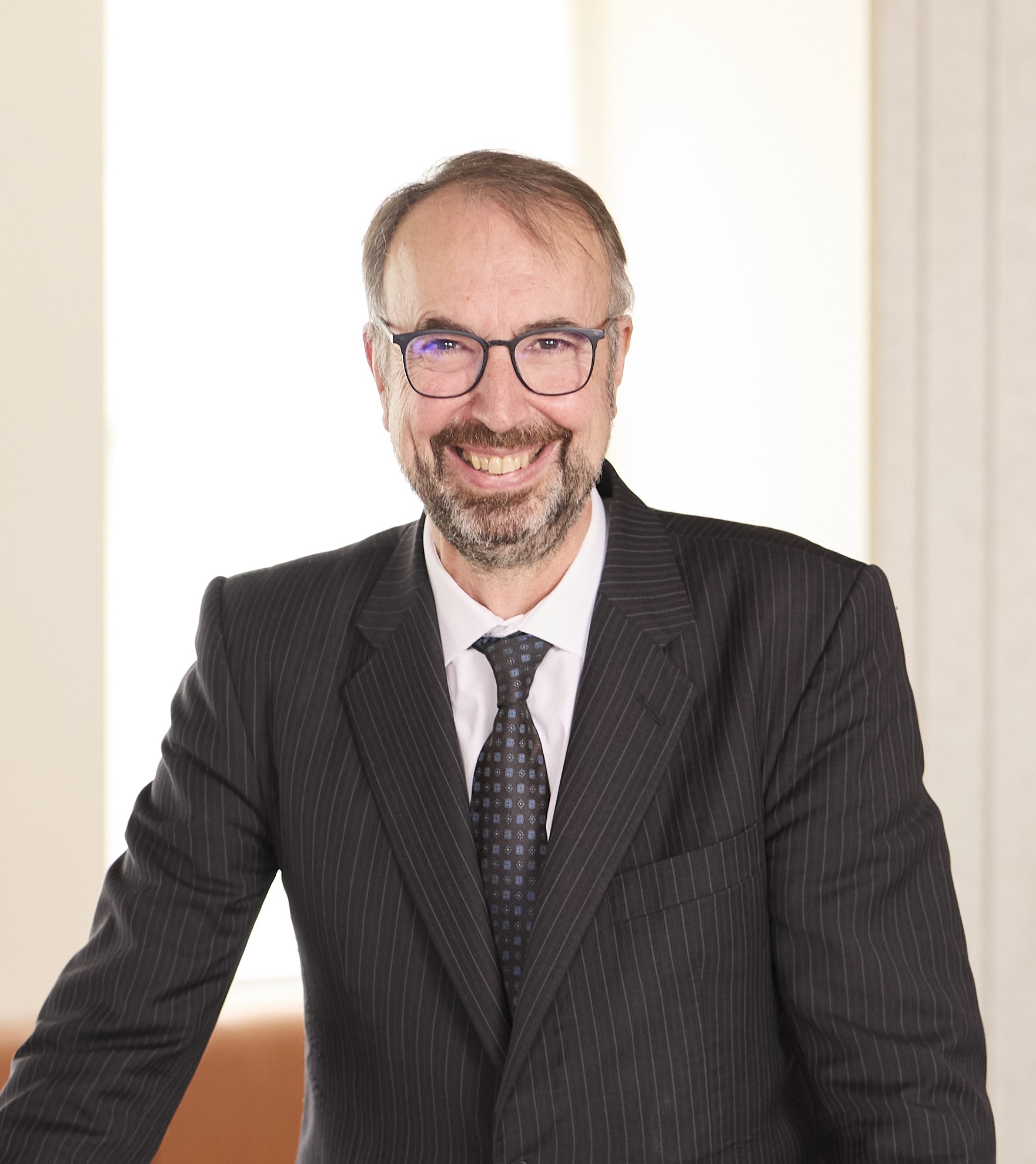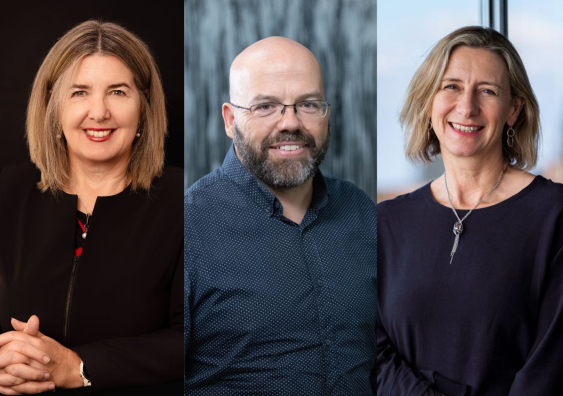



The academics were recognised for outstanding contributions to health and medical science across research, clinical practice, public health, innovation and leadership.
Nine UNSW Sydney researchers have been elected as new Fellows of the Australian Academy of Health and Medical Sciences (AAHMS), one of the country’s most prestigious honours in their fields.
Fellows are elected by their peers for their exceptional achievements and sustained contributions to improving health and advancing medical science in Australia.
The nine academics from UNSW are among 29 new Fellows for 2026, spanning a breadth of expertise, from cancer genomics, infectious diseases and precision medicine to injury prevention, mental health, immunisation and Indigenous health.
UNSW Vice-Chancellor and President Professor Attila Brungs congratulated the UNSW researchers elected Fellows of the AAHMS in 2026.
“This recognition celebrates the exceptional research, leadership and service of nine outstanding members of the UNSW community,” Prof. Brungs said.
“To be elected by their peers through a competitive process is a true honour. Their work demonstrates how research across health and medical science can translate into better prevention, diagnosis, treatment and care for individuals and communities.”
The new Fellows from UNSW are:

Professor Merlin Crossley
UNSW Deputy Vice-Chancellor, Academic Quality, Professor Merlin Crossley AM is known for pursuing fundamental science on the mechanisms underlying gene control and then applying the insights to treatments for genetic diseases of the blood, haemophilia, thalassaemia and sickle cell anaemia. His lab revealed how specific human mutations de-repressed fetal haemoglobin genes and his work informs the latest CRISPR-based gene therapy strategies being developed to treat haemoglobinopathies.
“We are entering an exciting time where medicine is becoming more precise, and this precision allows us not only to understand disorders but to devise specific treatments that help individuals in great need,” Prof. Crossley said.
“Biology and medicine are becoming digital, and UNSW, with its expertise in the hard and the very hard sciences, has the capacity to make a huge contribution as our engagement with precision health and medicine continues to develop.”

Professor Phoebe Phillips
Professor Phoebe Phillips AM leads the Pancreatic Cancer Translational Research Group at UNSW. She has spent more than two decades working to tackle the deadly disease, focusing on understanding the complex cellular and microenvironment interactions in pancreatic cancer to develop new treatment approaches.
“I am deeply honoured to be elected as a Fellow of the Australian Academy of Health and Medical Sciences. This recognition belongs equally to my team and collaborators – researchers, clinicians, patients and people with lived experience – without whom I could not have built our precision medicine pancreatic cancer translational program,” Prof. Phillips said.
“We still have a long way to go, but I am more motivated than ever to close the gaps in cancer treatment, care and support that I experienced first-hand while caring for my late husband during his cancer journey.”

Professor Joseph Powell
Professor Joseph Powell is Director of the UNSW Cellular Genomics Futures Institute and Director of Translational Genomics at Garvan Institute of Medical Research.
His research uses single-cell genomics to answer fundamental questions about how genes are controlled in individual cells and how genetic risk influences common diseases. His team has helped identify which immune cell types are involved in genetic risk for several autoimmune diseases, creating tools and datasets used by researchers around the world.
“It's a great honour to be elected to the Academy, and a recognition I share with the many talented researchers I've had the privilege of working with. Our goal has been to use genomics to understand why people develop disease differently, and to translate those insights into better ways to predict, prevent and treat disease.”

Scientia Professor Fiona Stapleton
Scientia Professor Fiona Stapleton AO is a clinical scientist with the School of Optometry and Vision Science, who has made significant contributions to the field of eye health and technology over more than three decades. Her work is improving understanding of ocular diseases – particularly dry eye, corneal infection and contact lens related disease – and patient care.
“Our work is focused on improving outcomes for patients with ocular surface diseases from understanding disease epidemiology and impact, to care pathways and novel treatments,” Prof. Stapleton said.
“I was deeply honoured and humbled to receive the AAHMS fellowship and I am very much looking forward to working with the Academy community.”

Professor David Thomas
Professor David Thomas is the inaugural Director of the Centre for Molecular Oncology at UNSW and Chief Science and Strategy Officer for Omico. He is focussed on harnessing genomics to improve cancer diagnosis and treatment, particularly for people with rare cancers and sarcomas.
Prof. Thomas has made major contributions to understanding inherited cancer risk and translating genomic discoveries into better approaches to prevention, diagnosis and treatment. His work has included developing new approaches to screening for hereditary cancer syndromes and leading international clinical trials designed to bring precision medicine to patients who have historically had limited treatment options.
“I am honoured by the election, and this recognition of more than two decades of work to bring the astonishing advances of science into cancer clinics around Australia,” he said.

Scientia Professor Carla Treloar
Scientia Professor Carla Treloar AM from UNSW’s Centre for Social Research in Health is a leading international scholar recognised for her research on stigma, inequality and marginalisation. She has shaped national blood-borne virus strategies through the development of the first Stigma Indicator, informed service delivery and policy, and led major interventions to reduce stigma in health care.
“Fear of judgement can cause people to delay seeking care. Our work focuses on bringing these issues to light, building literacy about the effects of stigma, and designing practical solutions to tackle it.
“This work can only be done in partnership with people with lived experience of stigma and I thank the many colleagues and contributors who have provided their expertise. It’s an honour to be recognised by the Academy,” she said.

Conjoint Professor Jacqueline Center
UNSW Conjoint Professor Jacqueline Center is an endocrinologist at St Vincent's Health Network and holds roles at St Vincent's Healthcare Clinical Campus and Garvan.
Her work focuses on osteoporosis and other bone and calcium disorders, with research spanning the epidemiology and genetics of osteoporosis. She has pioneered research into the consequences of osteoporotic fracture, including recurrent fracture risk and premature mortality following all fractures, and led international collaborations with major epidemiological studies.
Committed to translating research into practice, Prof. Center works to improve bone health and fracture care through research, education of patients, carers and doctors, and clinical leadership.

Conjoint Professor Jacqueline Close
UNSW Conjoint Professor Jacqueline Close AM is a geriatrician at the Prince of Wales Hospital, Clinical Director of the Falls, Balance and Injury Research Centre at Neuroscience Research Australia and Co-Chair of the ANZ Hip Fracture Registry.
Her primary area of research is on falls and injury prevention and management in older people with a specific focus on hip fracture care.
“Each day approximately 45 older people will fall and break their hip. It is a life changing event for the 17,000 Australians who break their hip every year,” Prof. Close said.
Her work leading the ANZ Hip Fracture Registry shows we can save lives and improve quality of life by adhering to best practice.
“The challenge is implementing the evidence into everyday practice, which is a focus of our work.”

Conjoint Professor Daniel MacArthur
Professor Daniel MacArthur is Director of the Centre for Population Genomics, a joint initiative of Garvan and the Murdoch Children’s Research Institute, and a Conjoint Professor with UNSW Medicine & Health.
He led the creation of global genetic reference resources that underpin modern rare disease diagnosis and now leads OurDNA, a national initiative generating genomic data from communities under-represented in international databases to make genetic testing more accurate and equitable.
“It's a privilege to be elected to the Academy, and I see it as recognition of the team at the Centre for Population Genomics and our many partners, all working together to bring faster and more accurate genetic diagnoses and risk prediction to families from every community in Australia.”

2026 Outstanding Female Researcher Medal
In addition to the Fellows announcement, AAHMS awarded the 2026 Outstanding Female Researcher Medal to UNSW Conjoint Professor Michelle Haber AM, recognising more than four decades of research that has transformed the diagnosis and treatment of childhood cancer.
Prof. Haber is internationally recognised for developing more effective and less toxic treatments for children with cancer. In recent years, her work has increasingly concentrated on precision medicine, using genomic technologies to identify the genetic drivers of each child’s cancer, to then guide their diagnosis and treatment.
“I feel very proud and honoured to receive this Medal, and to be recognised alongside such an impressive cohort of women whose work has made an outstanding contribution to health and medical sciences,” Prof. Haber said.
“I’m also grateful for the opportunity this award provides to highlight the importance of research into childhood cancer, with more children currently dying from cancer in Australia than from any other disease.”