Diwali explained: What is it? (Can I take part?)
Sparklers, snacks, celebration. Understand the significance of the luminous festival of Diwali and how you can join the festivities.
Published on the 30 October 2026 by Shishir Mehendale

Sparklers, snacks, celebration. Understand the significance of the luminous festival of Diwali and how you can join the festivities.

Diwali is best understood as a five-day festival celebrating the victory of light over darkness. Spiritually, of course, but literally too.
Aside from snacks and sweets, the centerpiece of any Diwali celebration is the lighting. In any and every form you can imagine. Oil lamps, sparklers, string lights, fireworks, you name it!
As you'd imagine, Diwali (and its more traditional moniker, Deepavali) stems from the Sanskrit word दीपावली (dīpāvalī), meaning "row of lights".
Why so many diwas (more commonly, diyas)? To remind us that good triumphs over evil, knowledge triumphs over ignorance and abundance triumphs over scarcity. It happens to create super festive vibes too!
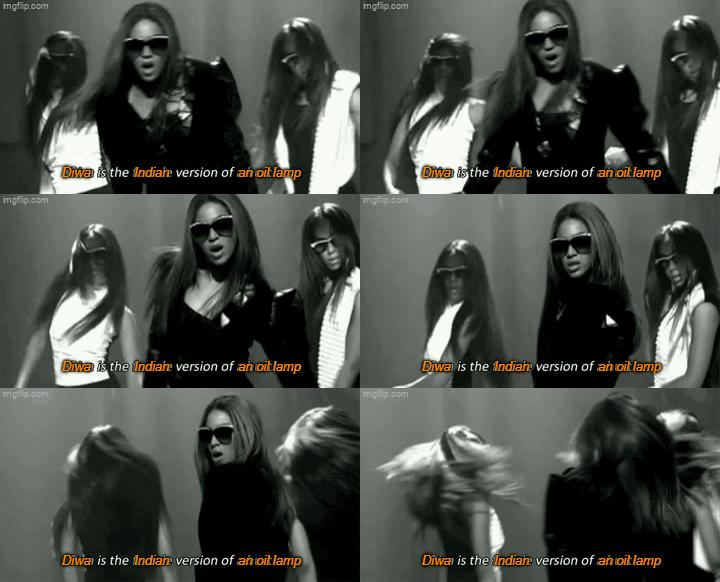
(Vevo, 2009)
The days of Diwali follow the Hindu calendar rather than the Gregorian calendar (that's the one we use). This means that the five days of Diwali aren't necessarily always on the same Gregorian dates each year.
However, you can usually count on Diwali being some time around mid October to early November. The third and main day, Lakshmi Pujan, is always on the new moon around this time.
UNSW's Culturally Inclusive Calendar marks Diwali on this main date, which conveniently happens to fall on Sunday, 8 November this year.
Yes, undoubtedly. But the day of Diwali is also celebrated by Sikhs, Jains and certain Buddhist communities across the world. For each of these religions, the new moon of Diwali marks something different and special:
No, actually. While Diwali's origins lie in India, it's really spread across the globe – just like the light that it celebrates. As of writing this, Diwali is a public and/or national holiday in India, Malaysia, Singapore, Fiji, Guyana, Mauritius, Myanmar, Nepal, Suriname, Sri Lanka, and Trinidad and Tobago.
Diwali has also gained popularity wherever there are diasporic populations that celebrate, including the United States, United Kingdom, Canada and, of course, Australia.
In the way that Christmas has expanded into a global and pop cultural staple, Diwali continues to grow into something more than just an Indian festival, spreading light, joy and culture wherever it goes.
You can 100% take part in Diwali festivities.
As mentioned before, Diwali is truly becoming a global phenomenon. As it should. Bringing community together? Celebrating the light inside with light outside? Yes please!
Rest assured, no one will think of you as a LARPer, as long as you follow the multicultural rule of thumb: when you're not from the culture yourself, follow the lead of someone who is.
Here's some great ways to get involved:
 (Deedle-Dee Productions, 2006)
Wishing you a Diwali filled with love and light! Spiritually, of course, but (maybe) literally too 🪔
Last edited on 30 October 2026

Is it really the phone? Mental health and how our screens help and harm us
What is the first thing you do when you wake up? If you said you check your phone, this article is probably for you.

UNSWeetened's abundance of campus voices
The UNSWeetened Coordinator explains how UNSWeetened opens the door to writers of all kinds.

A leap of faith: Tejas' lessons after his Hiroshima exchange journey
"In those two weeks, we did everything together. You make really close friendships, even though it's for a short period of time."
Contact us for advice on all things UNSW, including faculty-specific questions, essential services, support and development. We’re here to help.