
SDG 6: Clean Water & Sanitation


Our work


On track to reduce water intensity on campus 5% by 2025.


World Water Day 2024
At UNSW Global Water Institute, experts from diverse fields converge to tackle intricate global water challenges. As champions of research excellence, we're dedicated to knowledge sharing, capacity building, and shaping smart water policies for a sustainable future. Join us in meeting our passionate researchers as they answer the call for water peace.
WRL Open Day 2025
The UNSW Water Research Laboratory (WRL) tackles some of the most complex water engineering challenges, and translating these technical ideas to a broad audience is key to sharing water knowledge and making science and engineering accessible to everyone.
WRL embraced the opportunity to promote water literacy to over 700 visitors during WRL Open Day 2025 - opening the Lab doors to the community for tours, talks and demonstrations of all things water and science.
Advancing water reuse at UNSW
We're committed to sustainable water management through innovative reuse systems, infrastructure upgrades, and nature-positive design. Our Environmental Sustainability Plan 2022–24 outlines a strategic commitment to reducing potable water use and enhancing water resilience across campus. Water reuse is central to this vision, supporting both environmental outcomes and long-term resource efficiency.
Our water reuse initiatives help:
- improve water quality through stormwater management.
- increase water-use efficiency across campus operations.
- protect and restore water-related ecosystems.
Strategic targets and reporting
UNSW’s Environmental Sustainability Strategy includes targets such as reducing potable water use, returning water to the hydrological cycle and reducing water intensity (kL/m2/year) under its Energy & Water theme.
These metrics are tracked and reported as part of UNSW’s broader sustainability performance in our Environmental Sustainability Annual Report.

Improving water security in Walgett
In 2022, a study by Yuwaya Ngarrali found that 44% of respondents reported water insecurity in the remote Aboriginal community of Walgett NSW. The study’s community survey found that water insecurity is also having severe negative effects on household expenses and food security.
In 2018, UNSW Global Water Institute water engineering experts with medical researchers from The George Institute for Global Health had confirmed for the Walgett Aboriginal Medical Service and Dharriwaa Elders Group that Walgett’s water supply contained unsustainable levels of sodium. UNSW Global Water Institute has been working in the Yuwaya Ngarrali partnership with the Walgett community since 2018 to help develop community-led solutions to address these concerns.

Dharriwaa Elders Group staff and members campaigned about Walgett’s drinking water crisis and the fact that residents have to buy water from the supermarket, during NAIDOC Week 2022, using that year’s NAIDOC call for action. L-R: Vanessa Hickey, Stephen Dennis, Richard Lake, Bow Simpson, Clem Dodd, Lewis Beale.
Testing the waters: local communities engage with sustainable water practices
UNSW’s Dr Marilu Melo Zurita led a team of social scientists and water engineers to work with local communities to maintain the health of their waterways. UNSW partnered with Riverwood Community Centre in Canterbury Bankstown and Georges Riverkeeper through the Georges River Combined Councils’ Committee for the research.
The project, funded by Sydney Water, aimed to develop a community engagement model for local councils to improve community knowledge of local stormwater management systems and promote meaningful long-term connections with water. The project also delivered community-led sessions, developed new wetlands signage and community participation activities, such as community-guided tours, to promote a sense of community ownership.
UNSW Global Water Institute
The UNSW Global Water Institute (UNSW-GWI) is a world leader in water research, innovation and problem solving. The Institute is a truly multi-disciplinary venture, drawing on water expertise across UNSW to create the nation’s most advanced water knowledge hub. This includes involvement from:
100%
of UNSW faculties.
13
specialist centres.
400
researchers, professional staff & PHD students.
The UNSW Global Water Institute is committed to collaborating with government, industry, NGOs, communities and other research organisations in achieving an enduring global impact and contribute to a future where all communities have access to world-leading research, education, information and innovation to better manage water resources for drinking, agriculture and the protection of marine and fresh water ecosystems.
In this short video, world-leading researchers, engineers and academics with expertise in wetlands, built environment, flood management, hydrology and more share insights into some of the impactful projects underway among the UNSW water community.
All linked to water, this work is helping to improve health outcomes and community wellbeing, address inequalities, build resilience to climate change, and nurture valuable ecosystems.
The video was prepared as part of a collection introducing how International Association for Hydro-Environment Engineering and Research (IAHR) Institute members are contributing to sustainable development and the achievement of the water-related Sustainable Development Goals (SDGs).
The centres and research groups that contribute to GWI include:
UNSW Water Research Centre
The Water Research Centre (WRC) is an international leading university centre that provides multidisciplinary research in water resources, engineering, management and the development of tools for environmental management and sustainability for improving aquatic and atmospheric environments.
With its two research locations in Sydney, it operates as an externally funded UNSW research centre within the School of Civil and Environmental Engineering, serving more than 50 staff and supporting more than 80 PhD Students.
UNSW Water Research Laboratory
UNESCO Centre for Membrane Science and Technology
UNSW Centre for Ecosystem Science
UNSW Centre for Marine Science and Innovation
UNSW Evolution and Ecology Research Centre
City Futures Research Centre
UNSW Climate Change Research Centre
Australian Centre for Sustainable Mining Practices
Water Green Urban Management Group

Collaboration with Kenya and Uganda partners for safe drinking water
Access to water in several rural areas of Kenya is still limited, with basic service standing at only 53% countrywide. UNSW bought together partners in Uganda and Kenya through its collobration with FundiFix, to share technology and knowledge on water treatment systems.
In 2023/4 FundiFix, in collaboration with UNSW, installed a UVC water treatment system in Kitui, Kenya, which integrates filtration with UV water treatment - a game changer in provision of safe drinking water in underserved communities.
Indigenous River Rangers Program
The Dharriwaa Elders Group in Walgett has funding from the National Indigenous Australians Agency (NIAA) for the Indigenous River Rangers Program. The initiative acknowledges Indigenous Australians' connection to the environment, focusing on water activities across the Murray Darling Basin.
Academics from UNSW train the Ngarrangarra-li Walaaybaa Rangers on water management, quality, ecological monitoring, and legal frameworks from a First Nations perspective.
Village Green reduces water use
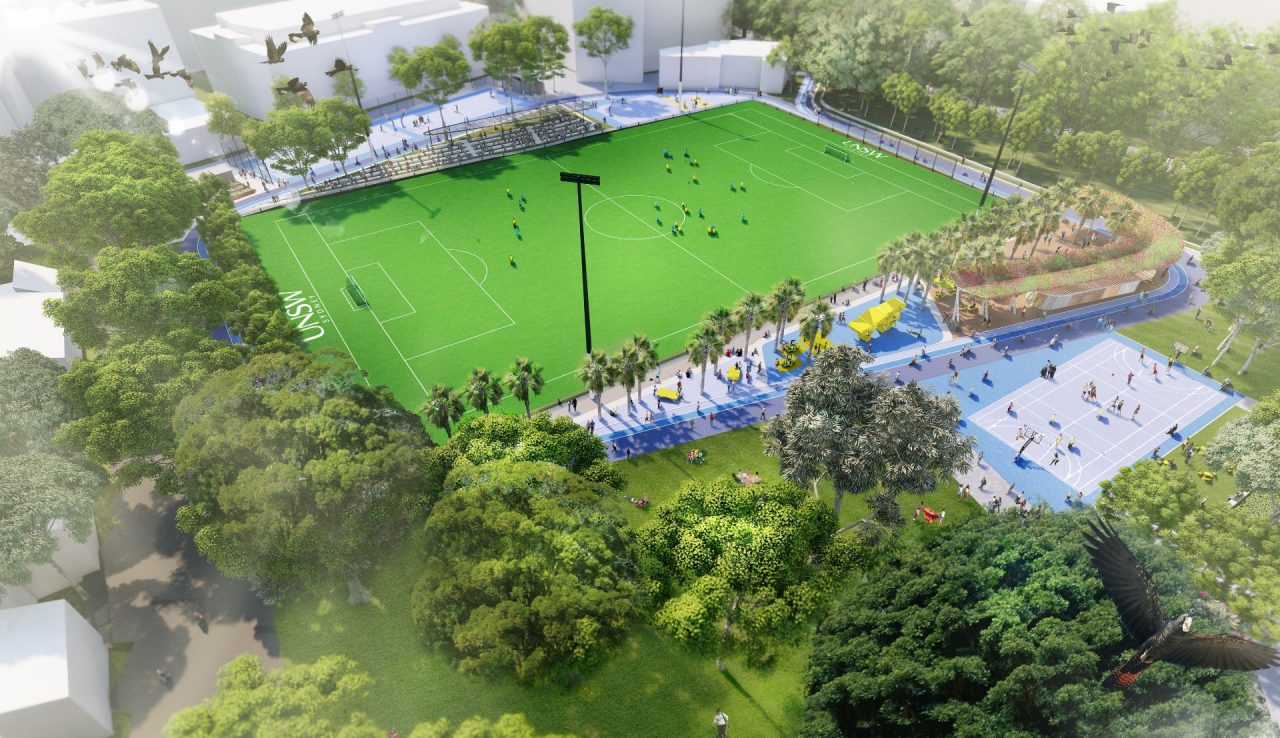
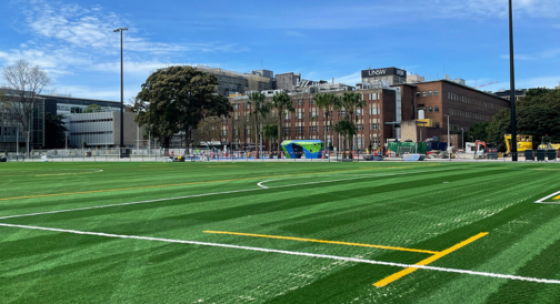
The $40m transformation of the Village Green included installation of a new 16 million-litre below ground stormwater infiltration tank, providing a sustainable water source on campus for non-portable uses and supporting environmental sustainability targets to reduce water intensity use on campus by 5%.
Managing campus water, gas and energy demands
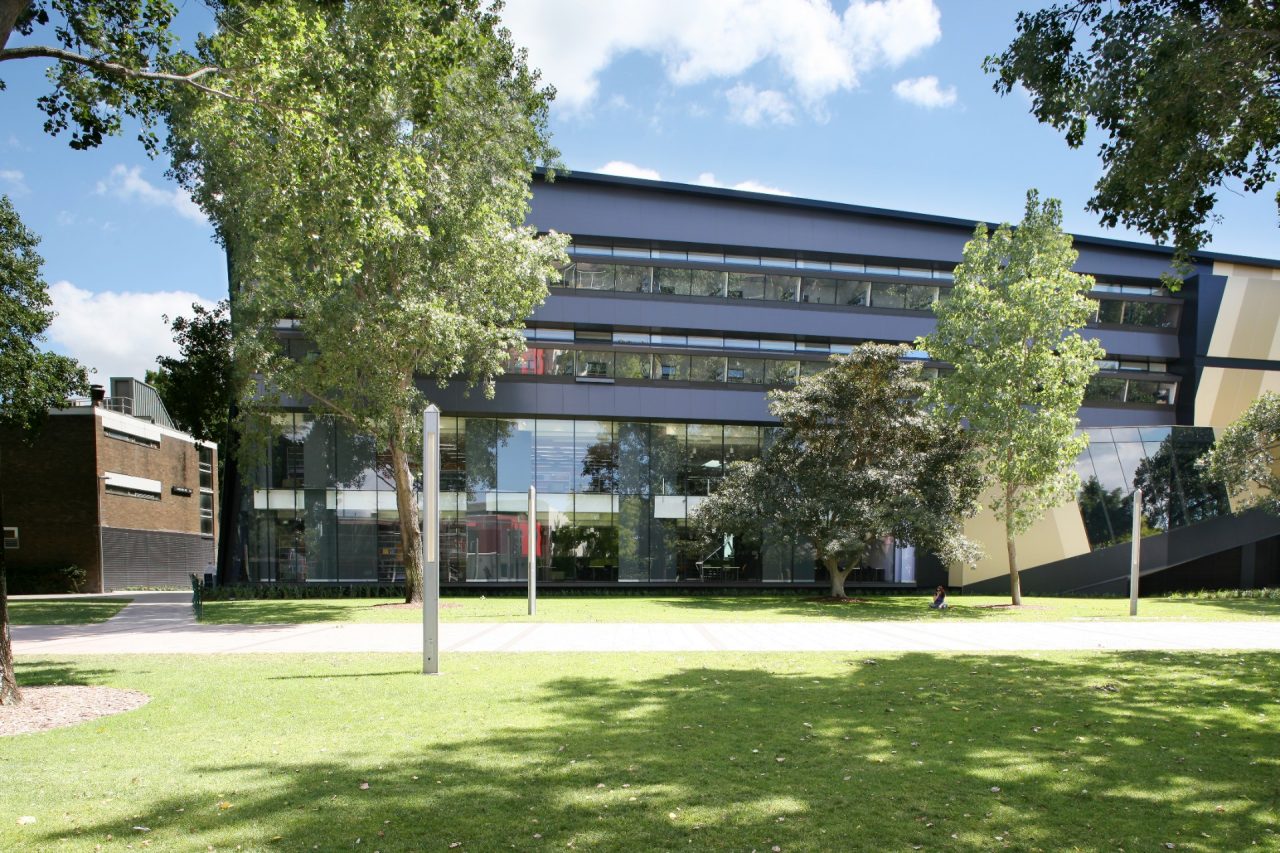
Energy and water efficiency initiatives at all of our campuses are led by the Facilities Management Energy team, with support from other Estate Management teams and the wider University.
Global Water Partnership
The UNSW GWI is a member of the Global Water Partnership, which is a global action network across 180 countries which aims to inform decisions and affect policy on water use and management.

UNSW Environmental Sustainability Report
UNSW has a history of environmental stewardship across research, learning & teaching and campus operations across several decades. The Environmental Sustainability Report 2024 measures and outlines our achievements to date.
UNSW Sustainable Development Goals 2024 Report
This report outlines UNSW's performance against the SDGs in 2024.


