
SDG 14: Life Below Water


Our work


Protecting vulnerable coastlines in fiji
UNSW's Project Halophyte is working with the University of the South Pacific to design floating mangrove islands in Fiji to protect vulnerable coastlines from a warming climate and to revitalise ecosystems.
Living Seawalls
The Living Seawalls project aims to investigate methods to enhance the ecological value of artificial structures in the marine environment such as seawalls and pilings.
What started as a flagship program of the Sydney Institute of Marine Science is now being trialled in in harbours across Australia, in Asia and Europe.

Centres, institutes and partnerships


Artificial Reefs
With specifically designed reef fields costing approx $1 million, the question is not do they work, but do they work too well? Prof Tracy Rogers speaks to special guest, Prof Iain Suthers about production vs attraction and lots more.
Warming waters & turtles
Prof Tracey Rogers explains some of the challenges facing marine turtles including sex skewing. The sex of marine turtles depends on what the temperature was when they were eggs, so will global warming mean too many females?
Justice for the Oceans
Globally-renowned ocean defender Dr Ayana Elizabeth Johnson is clear: saving the oceans is key to fighting the climate crisis. Listen to this conversation between Ayana Elizabeth Johnson and leading Australian marine scientist Emma Johnston.
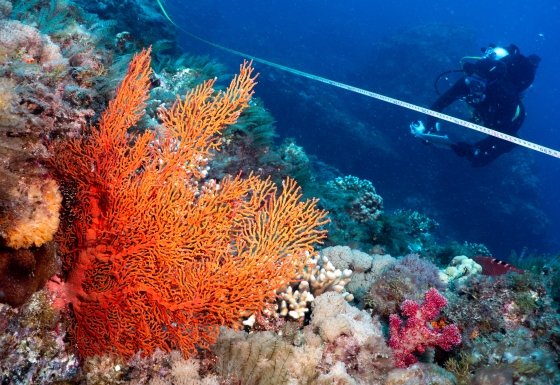
Master of Marine Science and Management
This masters course offered by UNSW in partnership with the Sydney Institute of Marine Science, educates students about coastal management and engineering, climate change, marine ecology and conservation, marine legislation, physical oceanography, and data analysis and modelling.
SciX@UNSW
The SciX@UNSW Program is designed to support passionate high school students who are eager to delve into scientific research. In this on-campus program, students join a UNSW research group and conduct an independent research project on a range of topics including Marine Biodiversity. Each project is overseen by a member of the academic research staff, such as Associate Professor Mariana Mayer Pinto and taught by UNSW graduate research students who act as student mentors.
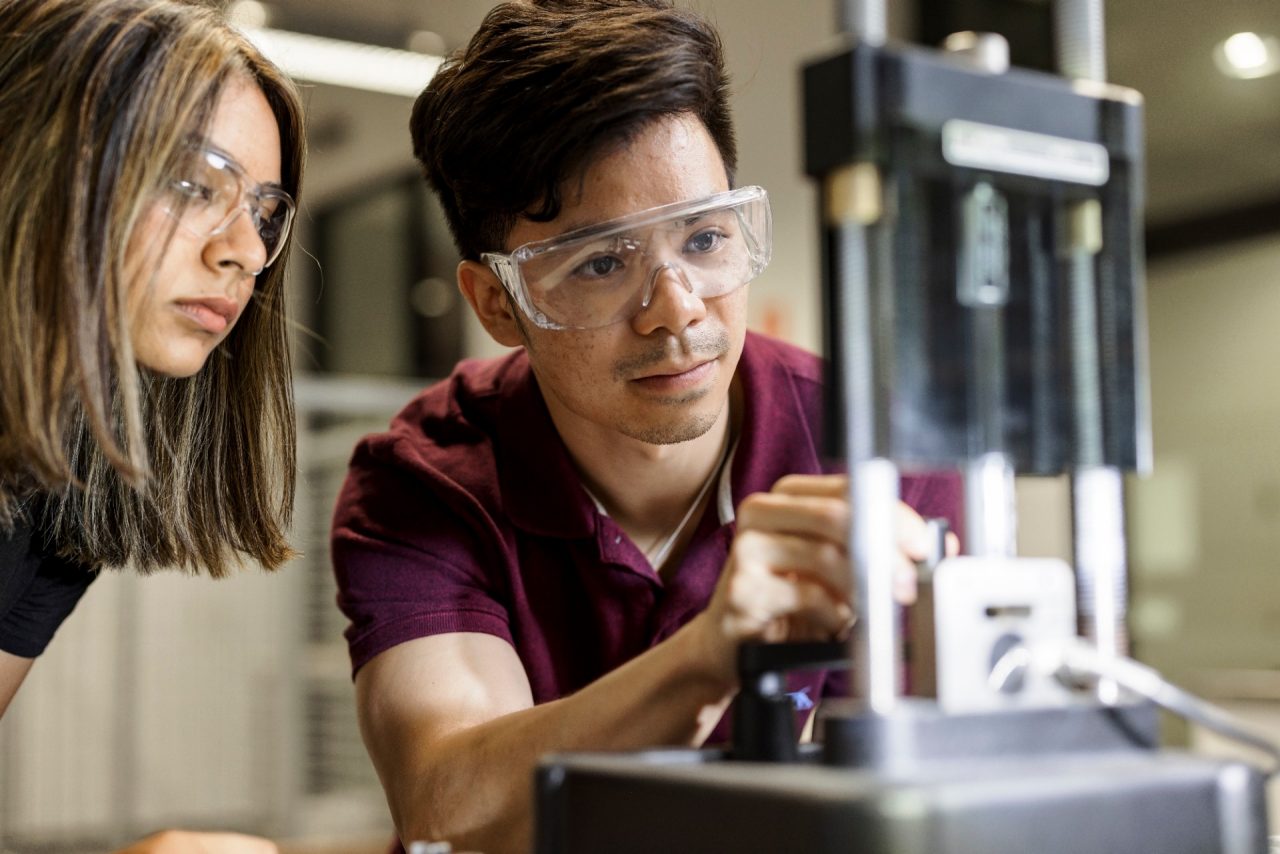
UNSW Strategy in Action


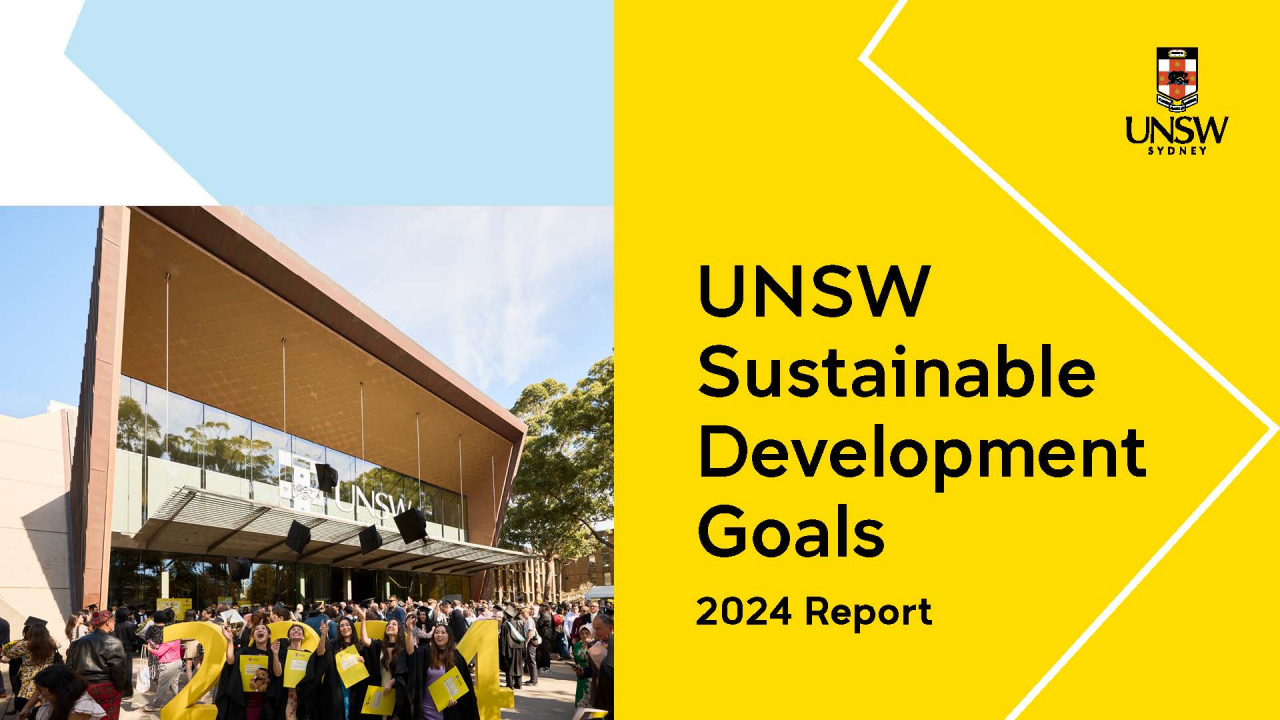
UNSW Sustainable Development Goals 2024 Report
This report outlines UNSW's performance against the SDGs in 2024.


